Traveling to Morocco in Ramadan offers a distinctive lens into the country’s rich Islamic heritage and communal spirit. While many tourists wonder whether to avoid this time of year, seasoned travelers know it offers a unique blend of serene days and vibrant, festive evenings.
If you are considering visiting Morocco during Ramadan, expect the rhythm of daily life to shift to accommodate fasting, prayer, and family gatherings. This period is marked by reflection and generosity, making your visit deeply memorable—especially if you are seeking authentic cultural experiences rather than just a standard vacation.
Ramadan is based on the lunar calendar, meaning dates shift by approximately 11 days each year.
For 2026, Ramadan is anticipated to begin around February 18 and conclude near March 19.
Please note that exact dates depend on the sighting of the crescent moon—a tradition that adds an element of anticipation to the holiday. This timing aligns perfectly with early spring. Travelers can expect mild temperatures ranging from 15–25°C (59–77°F) in cities like Marrakech and Fes, making sightseeing comfortable without the scorching summer heat.
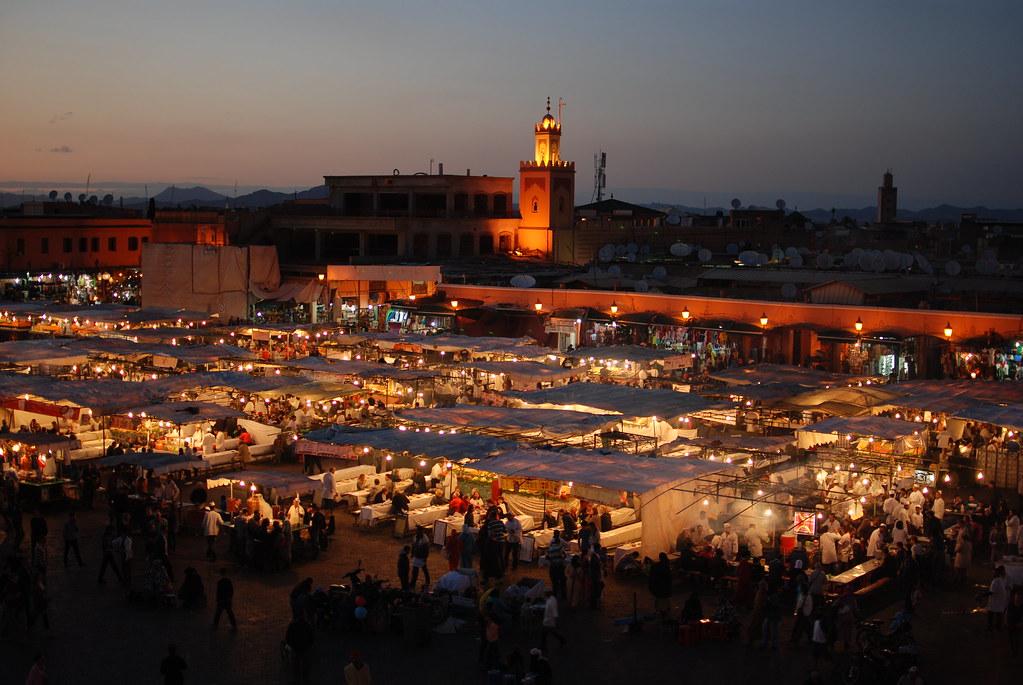
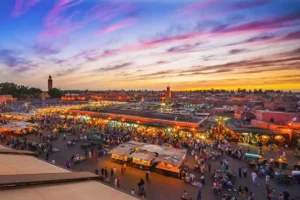
As the sun sets, Morocco in Ramadan comes alive, with bustling squares transforming into vibrant spaces filled with festive feasts, traditional flavors, and lively gatherings.
What to Expect: The Daily Rhythm
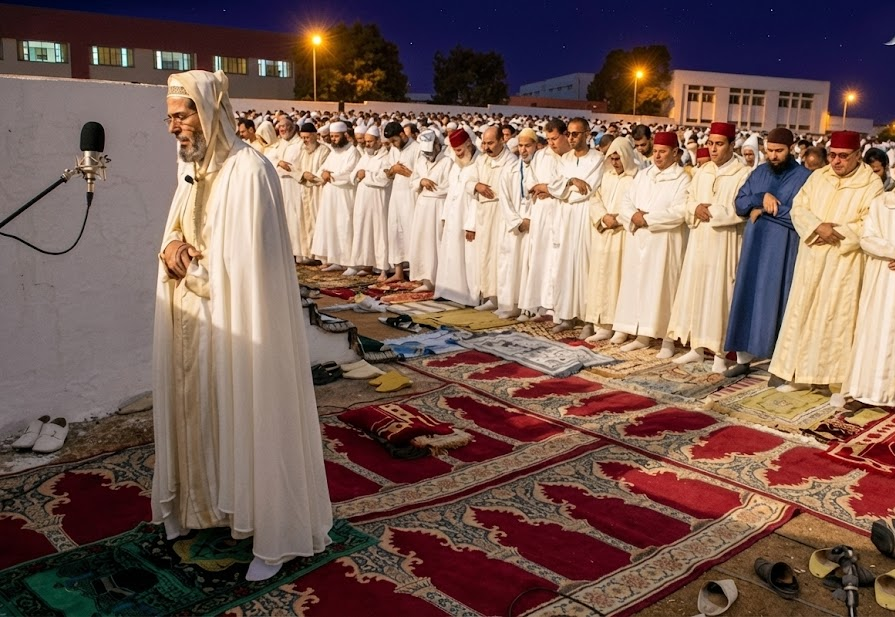
During this sacred time, Muslims abstain from food, drink, and smoking from dawn (fajr) until sunset (maghrib). As a visitor, you will notice distinct changes in the daily flow:
Quiet Mornings: Streets are peaceful, and shops often open later (around 10:00 AM or 11:00 AM).
The Rush Hour: Just before sunset, traffic peaks as locals rush home for Iftar.
The Ghost Town Effect: At the moment of sunset, streets empty completely as families break their fast.
Vibrant Nights: One hour after sunset, cities come alive with markets, cafes, and socializing until the early morning.
Navigating the City
While tourism continues, patience is key. Major attractions like the Bahia Palace or Volubilis remain open, though some may close briefly for prayer times. If you are navigating specific addresses in dense urban areas—such as finding a rental near Residence Ramadan Rue Al Oukhouane in Casablanca—allow extra travel time during the pre-sunset rush.
The Food Scene: Iftar and Suhoor
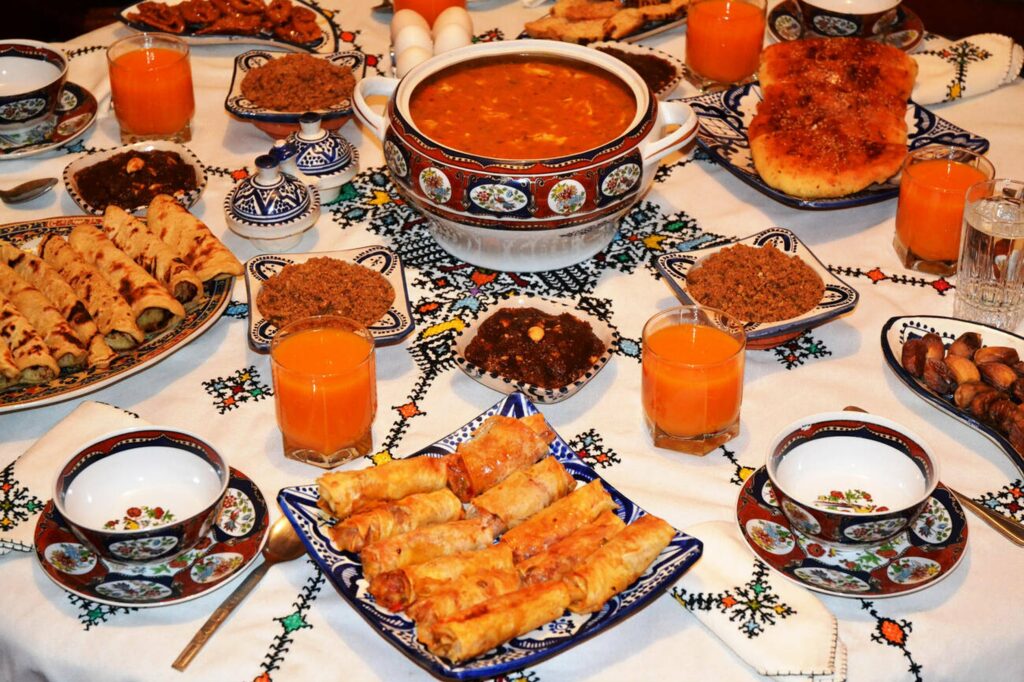
One of the highlights of Morocco in Ramadan is witnessing the communal Iftar—the breaking of the fast. Streets buzz with energy as friends share:
Dates and Milk: The traditional way to break the fast.
Harira: A rich tomato-based soup with lentils and chickpeas.
Chebakia: Honey-coated sesame cookies that provide a sugar boost.
Msemen: Flaky, buttery pancakes often eaten for Suhoor (the pre-dawn meal).
The breaking of the fast (Iftar) is a culinary journey of sweet and savory flavors
Do Restaurants Open in Ramadan in Marrakech?
A top concern for travelers is dining availability. Yes, restaurants are open, but with adjustments:
Tourist Zones: In neighborhoods like Gueliz or inside hotels, restaurants serve lunch to international visitors as usual.
The Medina: Street food vendors largely shut down during the day.
Dinner Time: Most restaurants open their doors at sunset for special Iftar set menus.
Pro Tip: For an atmospheric experience, book a rooftop dinner at a spot overlooking the Koutoubia Mosque to watch the city transform as the call to prayer echoes across the rooftops.
Supermarkets: Alcohol sections in stores like Carrefour often close completely for the month.
Hotels & Bars: High-end hotels and licensed tourist restaurants usually continue to serve alcohol, but often only indoors or in discreet areas.
Respect: Public consumption of alcohol is strictly prohibited and offensive during this time.
If you are staying in a private rental or Airbnb, checking the house rules is smart. Interestingly, discussions on Ramadan in Morocco Reddit threads often highlight that many travelers use this time to embrace a “dry” month, enjoying the incredible variety of fresh mint teas and avocado smoothies instead.
Getting Around: Transport and Deals
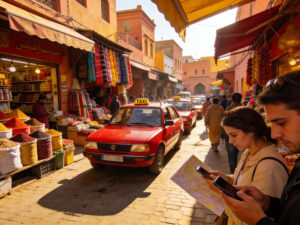
Transportation runs effectively, but schedules change. Trains and buses may run less frequently during the actual hour of Iftar. See the best taxi app
If you plan to drive, you might encounter seasonal promotions. Look out for Ramadan auto deals, as some local agencies offer competitive rates during the holy month due to slightly lower domestic tourism travel during the day. However, be hyper-aware of driving just before sunset—local drivers can be erratic in their rush to get home for food.
Cultural Etiquette for Travelers
To ensure a respectful and positive experience in Morocco in Ramadan, follow these simple guidelines:
Avoid Public Eating/Drinking: Try not to eat, drink water, or smoke on the street during daylight hours out of respect for those fasting.
Dress Modestly: Cover shoulders and knees, especially when visiting conservative areas or near mosques.
Be Patient: Service might be slower during the day as energy levels dip. A smile and a “Ramadan Mubarak” (Blessed Ramadan) greeting go a long way.
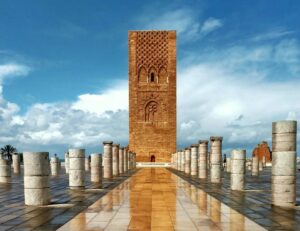
Daytime in Morocco offers a serene, quiet atmosphere perfect for exploring historic sites
Why Choose Morocco in Ramadan?
Visiting Morocco in Ramadan rewards the open-minded traveler with an authenticity rarely seen during peak seasons. You get to witness the “Diyafa” (hospitality) of the culture in its purest form.
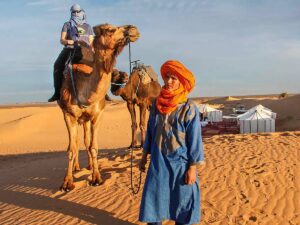
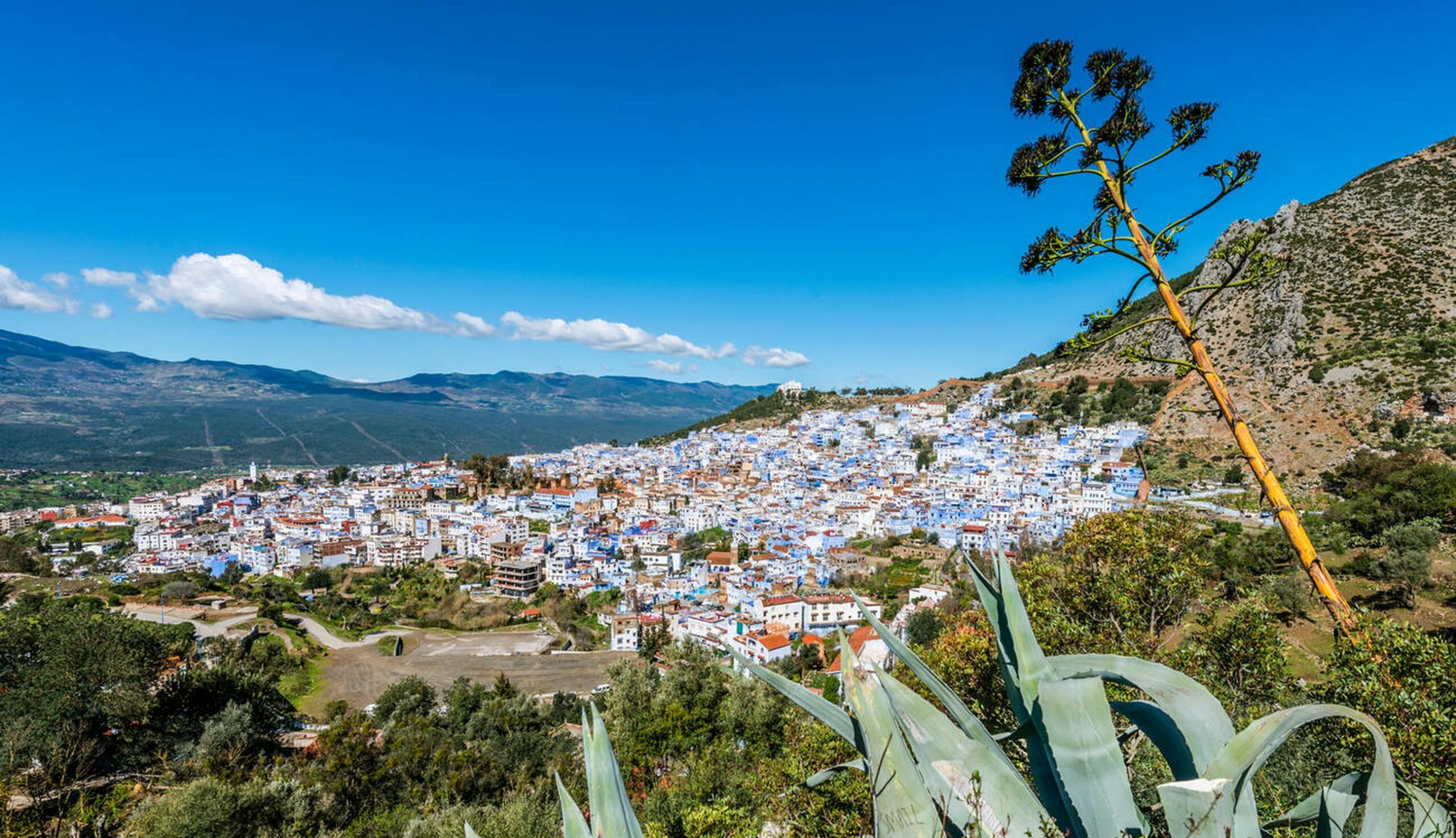
From the quiet contemplation of the day to the festive explosion of the night, it is a journey that lingers long after you leave. Whether you are exploring the blue streets of Chefchaouen or the dunes of Merzouga, the spiritual atmosphere adds a layer of magic to the landscape.
Ready to book? Pack your curiosity and prepare for a travel experience that feeds the soul as much as the stomach.