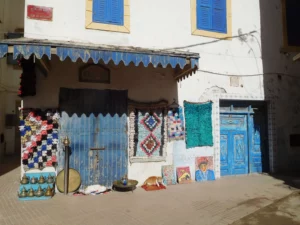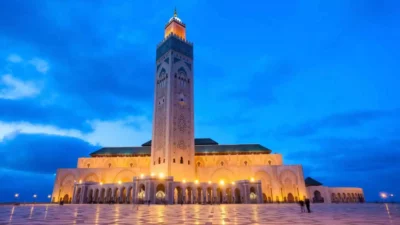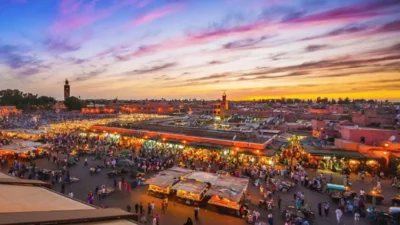

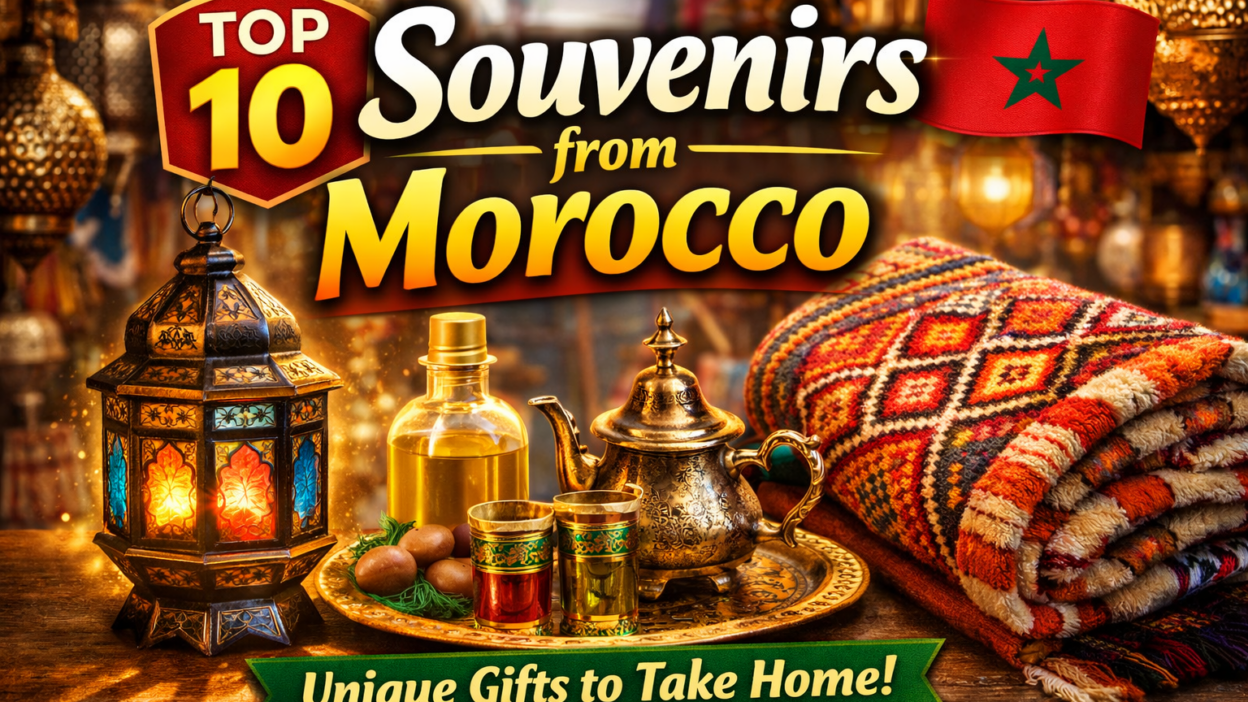
Morocco is a land of vibrant colors, rich traditions, and centuries-old craftsmanship. From the bustling souks of Marrakech to the artisan workshops of Fez and the coastal markets of Essaouira, shopping in Morocco is an unforgettable cultural experience. If you’re wondering what to buy in Morocco, this guide will help you discover the most authentic, meaningful, and unique souvenirs to take home.
Moroccan products are not just items — they tell stories of heritage, artistry, and local life. Whether you’re shopping for yourself or looking for gifts, these Moroccan souvenirs capture the soul of the country.
Below are the 10 best things to buy in Morocco, along with tips on where to find them and how to shop smart.
1. Moroccan Rugs and Carpets
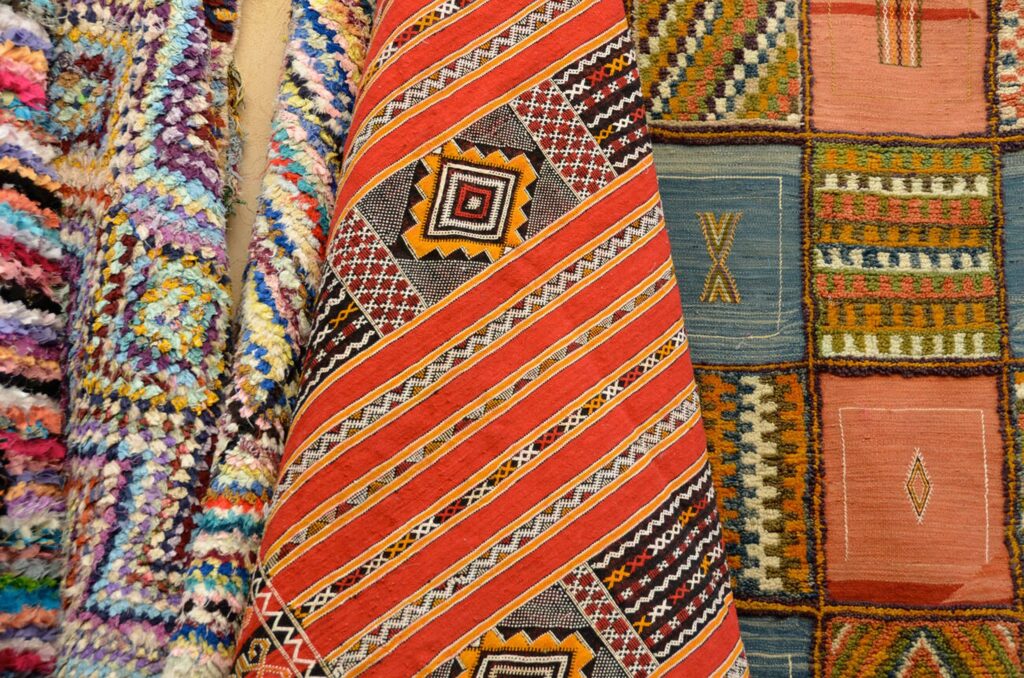
One of the first answers to what to buy in Morocco is undoubtedly Moroccan rugs. These handwoven masterpieces are among the country’s most famous exports.
Why Moroccan Rugs Are Special
Each rug is handmade by Berber artisans, often women, using techniques passed down through generations. No two rugs are exactly the same. Designs range from bold geometric patterns to minimalist neutral tones.
Popular Types of Moroccan Rugs
-
Beni Ourain rugs – Creamy white with black geometric patterns
-
Azilal rugs – Colorful and expressive
-
Boucherouite rugs – Made from recycled fabrics
Where to Buy
-
Marrakech souks
-
Fez medina
-
Atlas Mountain villages
💡 Tip: Always negotiate and ask about the rug’s origin and materials.
2. Moroccan Leather Goods
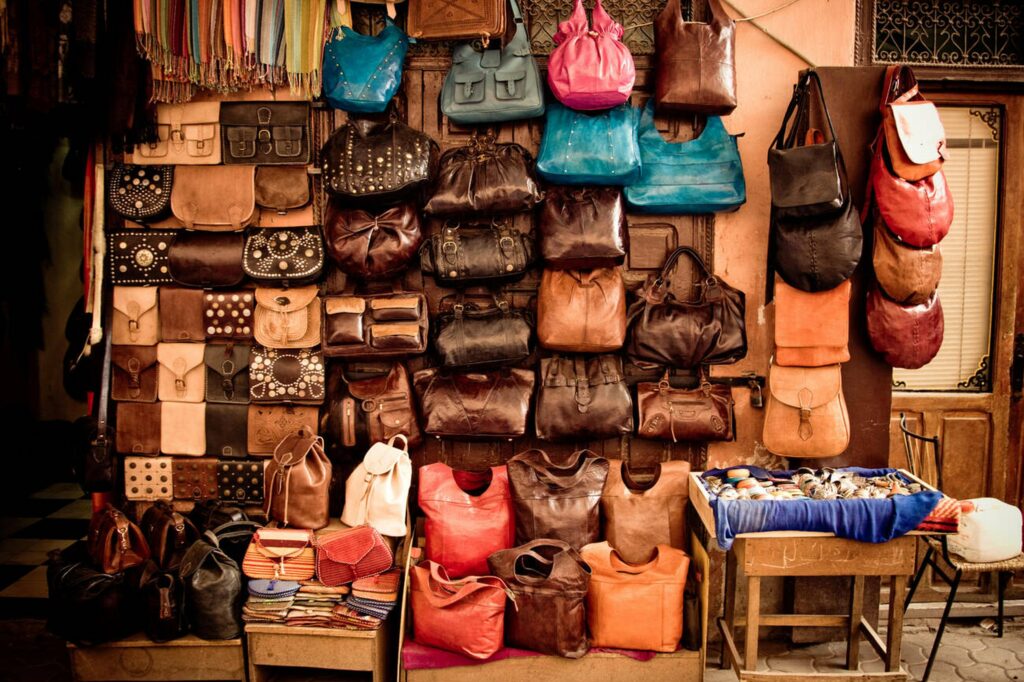
If you’re deciding what to buy in Morocco, leather items should be high on your list. Moroccan leather is known for its quality and traditional tanning process.
Popular Leather Products
-
Babouche slippers
-
Handbags and backpacks
-
Belts and wallets
-
Poufs and ottomans
Best Places to Shop
-
Fez Tanneries (Chouara Tannery)
-
Marrakech souks
💡 Tip: Look for soft, natural leather and avoid strong chemical smells.
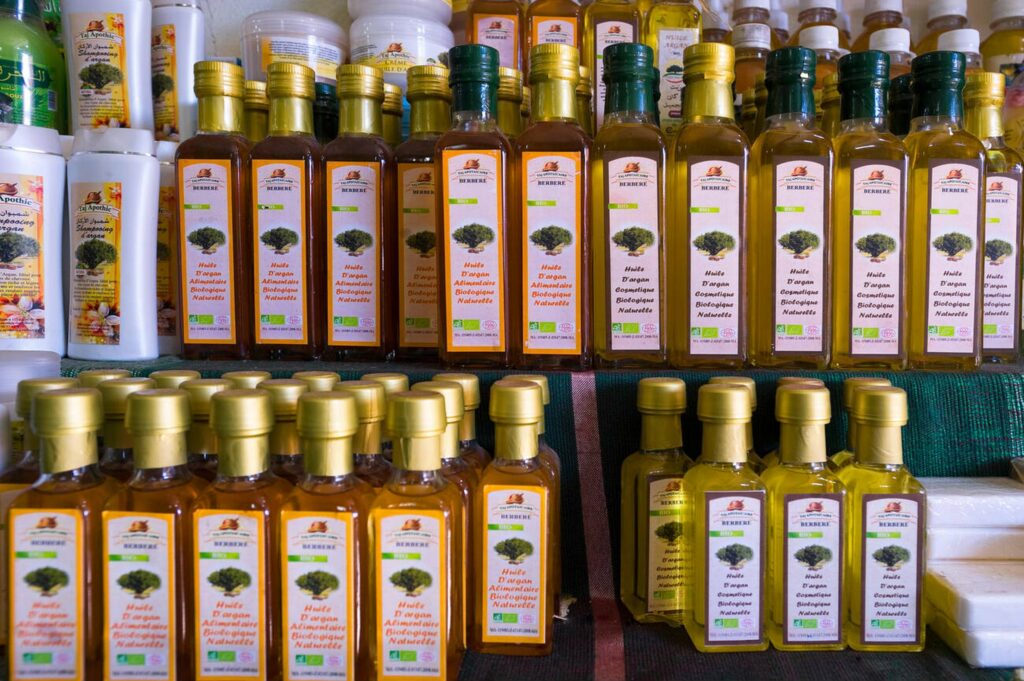
3. Argan Oil and Beauty Products
Often called “liquid gold,” argan oil is one of the most sought-after Moroccan products.
Uses of Argan Oil
-
Hair nourishment
-
Skin hydration
-
Culinary use (food-grade oil)
What to Look For
-
100% pure argan oil
-
Cooperative-made products
-
Dark glass bottles
Where to Buy
-
Women’s cooperatives
-
Organic shops in Marrakech and Essaouira
This is a perfect answer for travelers asking what to buy in Morocco for gifts, especially beauty lovers.
4. Moroccan Pottery and Ceramics
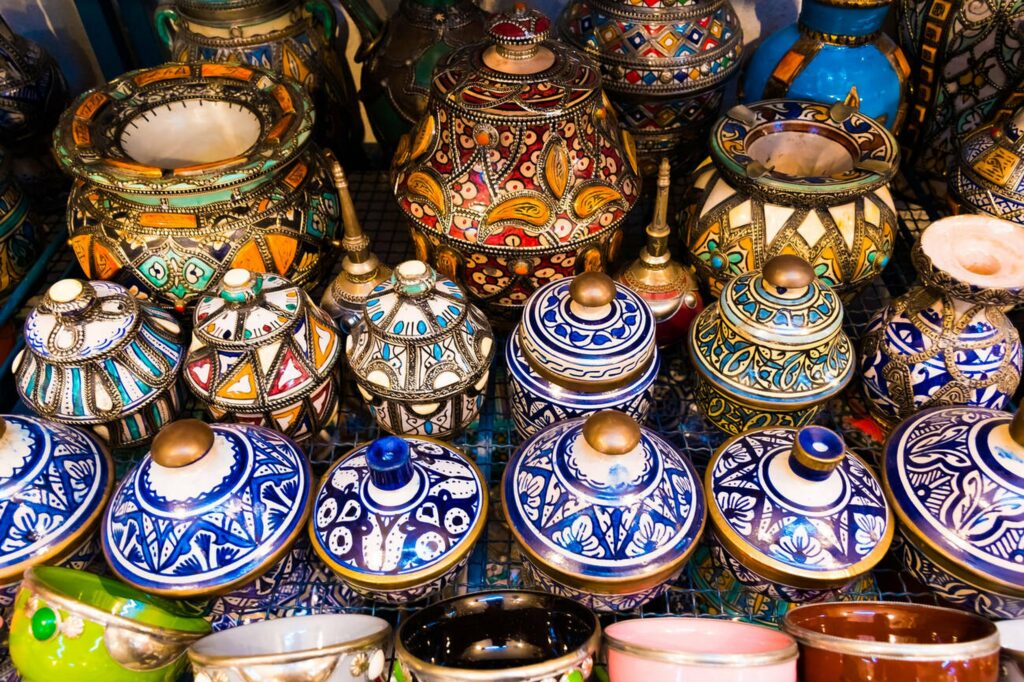
Moroccan ceramics are instantly recognizable thanks to their intricate patterns and vibrant colors.
Popular Ceramic Items
-
Tagines
-
Plates and bowls
-
Cups and serving dishes
Famous Pottery Cities
-
Fez – Traditional blue and white designs
-
Safi – Renowned pottery capital of Morocco
💡 Tip: Ask about lead-free glaze if buying items for food use.
5. Traditional Moroccan Lanterns
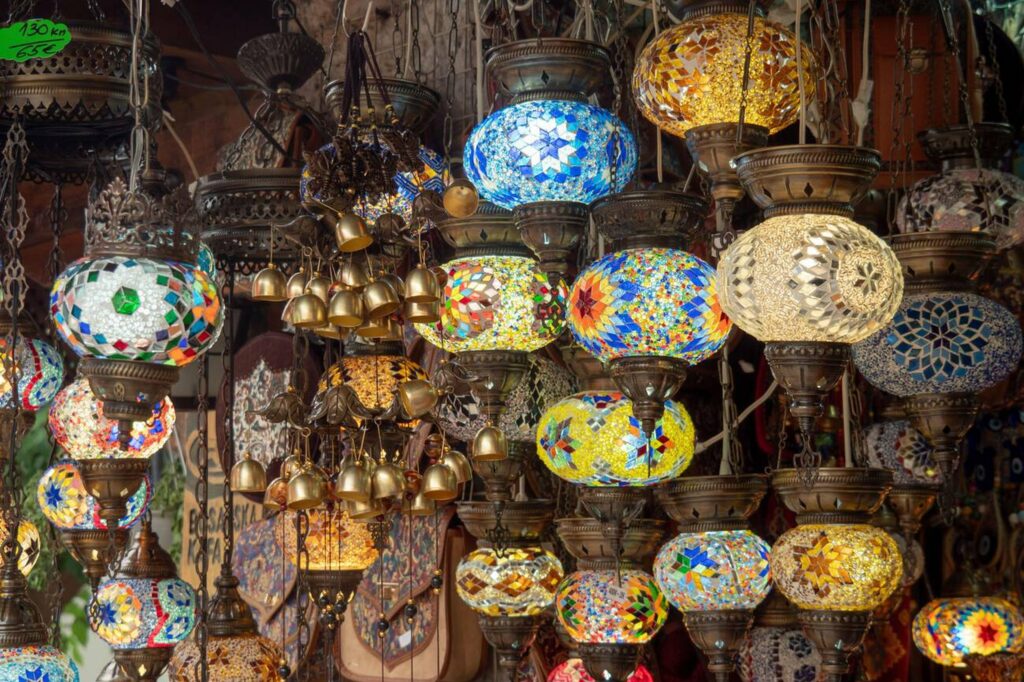
Moroccan lanterns add a magical, exotic atmosphere to any space.
Why Buy a Moroccan Lantern?
-
Handmade metalwork
-
Beautiful light patterns
-
Available in brass, copper, or silver
Where to Find Them
-
Marrakech souks
-
Artisan shops in Fez
These lanterns are lightweight and easy to pack, making them a popular souvenir choice.
6. Spices and Moroccan Tea
For food lovers wondering what to buy in Morocco, spices are a must.
Must-Buy Moroccan Spices
-
Ras el Hanout
-
Saffron (from Taliouine)
-
Cumin and paprika
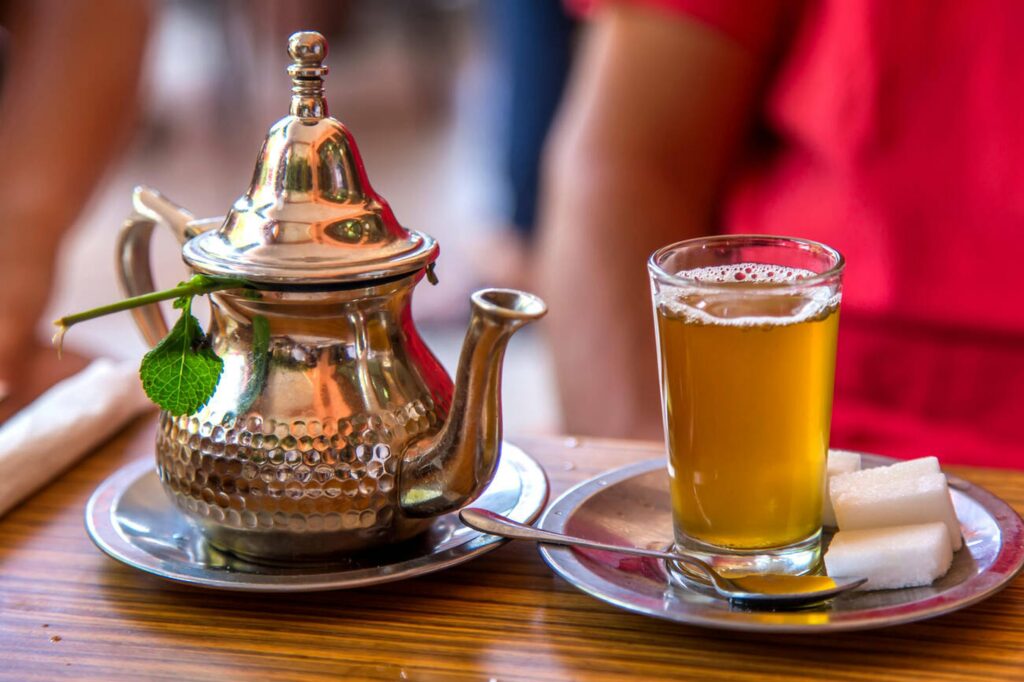
Moroccan Tea Essentials
-
Gunpowder green tea
-
Fresh or dried mint
-
Traditional tea glasses
💡 Tip: Buy spices from reputable vendors to ensure freshness.
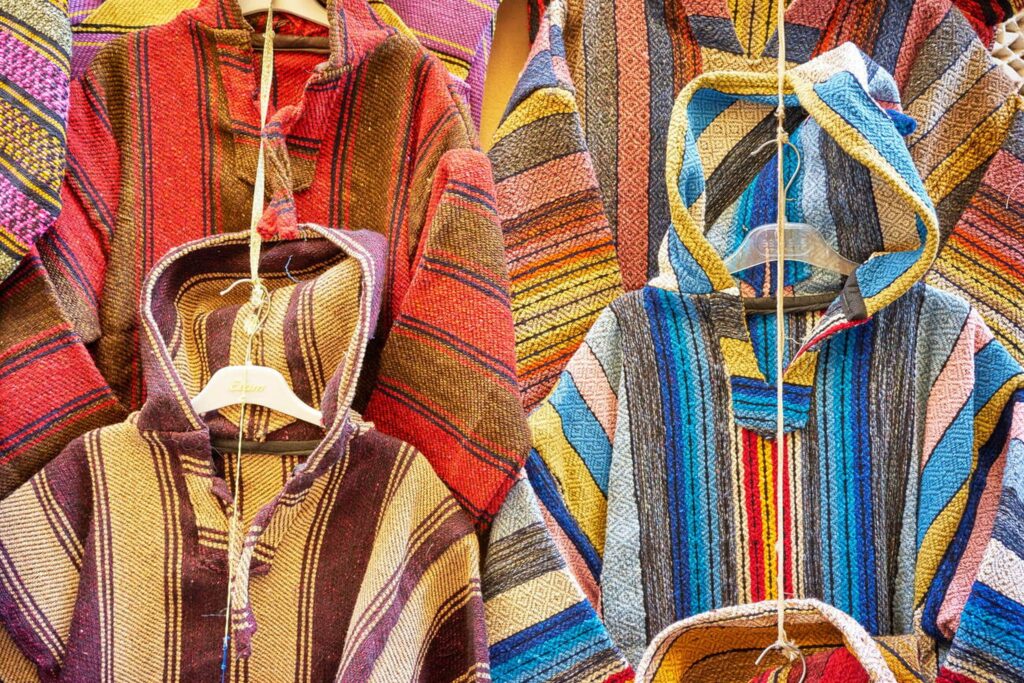
7. Moroccan Clothing and Textiles
Traditional Moroccan clothing is both stylish and culturally significant.
Popular Clothing Items
-
Djellabas
-
Kaftans
-
Scarves and shawls
These garments are perfect souvenirs that combine comfort, fashion, and tradition.
8. Woodwork and Thuya Products
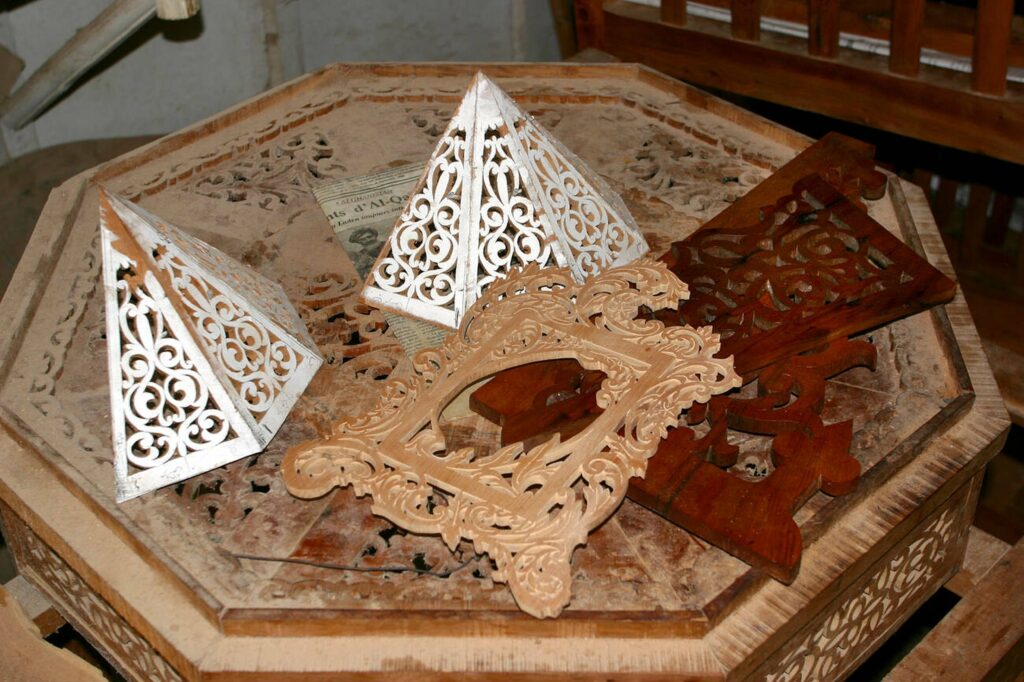
Moroccan artisans are known for their fine wood craftsmanship, especially in thuya wood.
Common Thuya Wood Items
-
Jewelry boxes
-
Decorative plates
-
Small furniture pieces
Best Place to Buy
-
Essaouira, famous for its wood artisans
Each piece has a distinctive natural scent and grain pattern.
9. Moroccan Jewelry and Silver
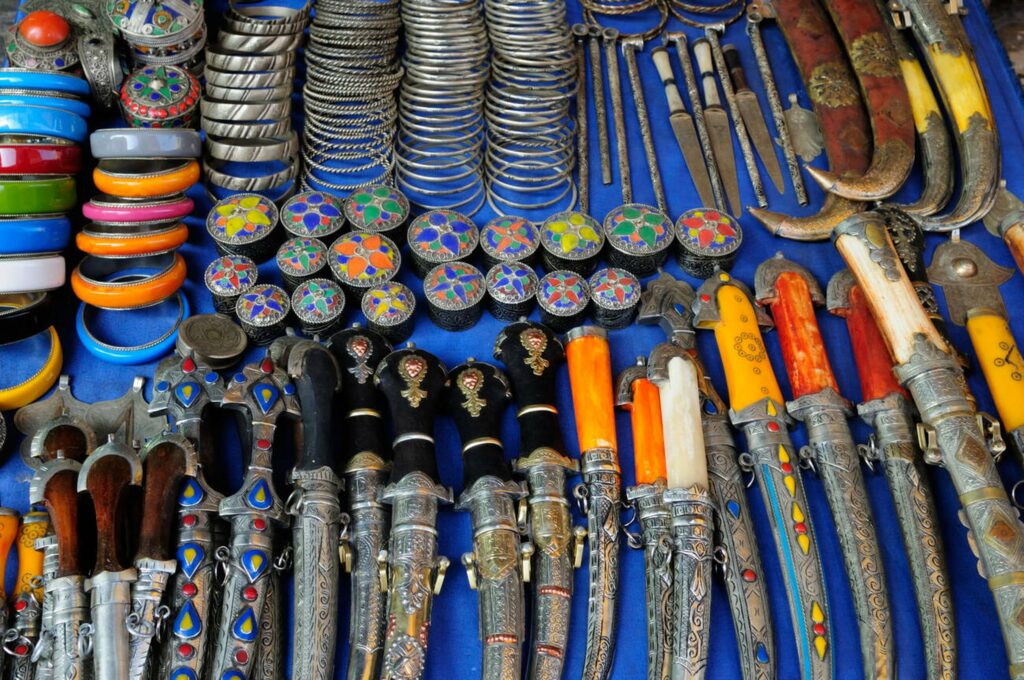
Traditional Moroccan jewelry is bold, symbolic, and handcrafted.
Types of Jewelry
-
Berber silver necklaces
-
Earrings with coral or amber
-
Handcrafted bracelets
💡 Tip: Silver jewelry is more common than gold in traditional Moroccan designs.
10. Moroccan Skincare: Black Soap & Ghassoul Clay
Completing our list of what to buy in Morocco, skincare products are affordable and authentic souvenirs.
Popular Skincare Items
-
Black soap (Savon Beldi)
-
Ghassoul clay from the Atlas Mountains
-
Natural loofahs
These products are widely used in traditional hammams and make excellent self-care gifts.
Tips for Shopping in Morocco
Shopping in Morocco is an experience in itself. Keep these tips in mind:
-
Bargaining is expected in souks
-
Carry cash (small bills preferred)
-
Ask before taking photos
-
Be polite and patient
Final Thoughts: What to Buy in Morocco
Morocco offers some of the most unique and meaningful souvenirs in the world. From handcrafted rugs and leather goods to aromatic spices and natural beauty products, there’s something for every traveler.
Knowing what to buy in Morocco allows you to bring home more than souvenirs — you bring home memories, culture, and craftsmanship that will last a lifetime.
Whether you’re strolling through a lively medina or visiting a small artisan cooperative, shopping in Morocco is a journey worth savoring.
Frequently Asked Questions About What to Buy in Morocco
1. What are the best souvenirs to buy in Morocco?
Some of the best souvenirs to buy in Morocco include Moroccan rugs, leather slippers (babouches), argan oil, ceramic pottery, spices, lanterns, and traditional jewelry. These items are handmade, culturally significant, and widely available in Moroccan souks.
2. What is Morocco famous for shopping?
Morocco is famous for shopping in its traditional markets (souks), where you can find handcrafted goods such as rugs, leather products, ceramics, lanterns, spices, textiles, and beauty products. Cities like Marrakech, Fez, and Essaouira are especially popular for shopping.
3. Is it cheap to shop in Morocco?
Yes, shopping in Morocco can be very affordable, especially for handicrafts and local products. Prices vary depending on the city and item, and bargaining is expected in most souks, allowing travelers to get good deals.
4. Can you bargain in Moroccan markets?
Bargaining is a normal and expected part of shopping in Moroccan souks. Start by offering about 40–50% of the initial price and negotiate politely. Bargaining is part of the culture and often done with friendliness and humor.
5. What should tourists avoid buying in Morocco?
Tourists should avoid buying items made from endangered animals, fake designer goods, or antiques without proper export documentation. Always ensure products like argan oil and saffron are authentic and not diluted or fake.
6. Is Moroccan leather good quality?
Yes, Moroccan leather is well known for its quality and traditional tanning methods. Fez is especially famous for its leather tanneries, producing soft, durable leather used in slippers, bags, belts, and poufs.
7. What food items can I bring back from Morocco?
You can bring back Moroccan spices, saffron, dates, olives, argan oil (food-grade), and Moroccan tea. Make sure items are well packaged and comply with your country’s customs regulations.
8. Where is the best place to buy souvenirs in Morocco?
The best places to buy souvenirs in Morocco include the souks of Marrakech, the medina of Fez, Essaouira’s artisan markets, and local cooperatives. Shopping directly from artisans ensures better quality and supports local communities.
9. Is argan oil safe to buy in Morocco?
Yes, argan oil is safe to buy in Morocco when purchased from reputable shops or women’s cooperatives. Look for 100% pure argan oil with no added fragrance or chemicals for the best quality.
10. What is the most authentic thing to buy in Morocco?
Some of the most authentic things to buy in Morocco are handmade Berber rugs, traditional pottery from Fez or Safi, babouche slippers, Moroccan lanterns, and natural skincare products used in hammams.