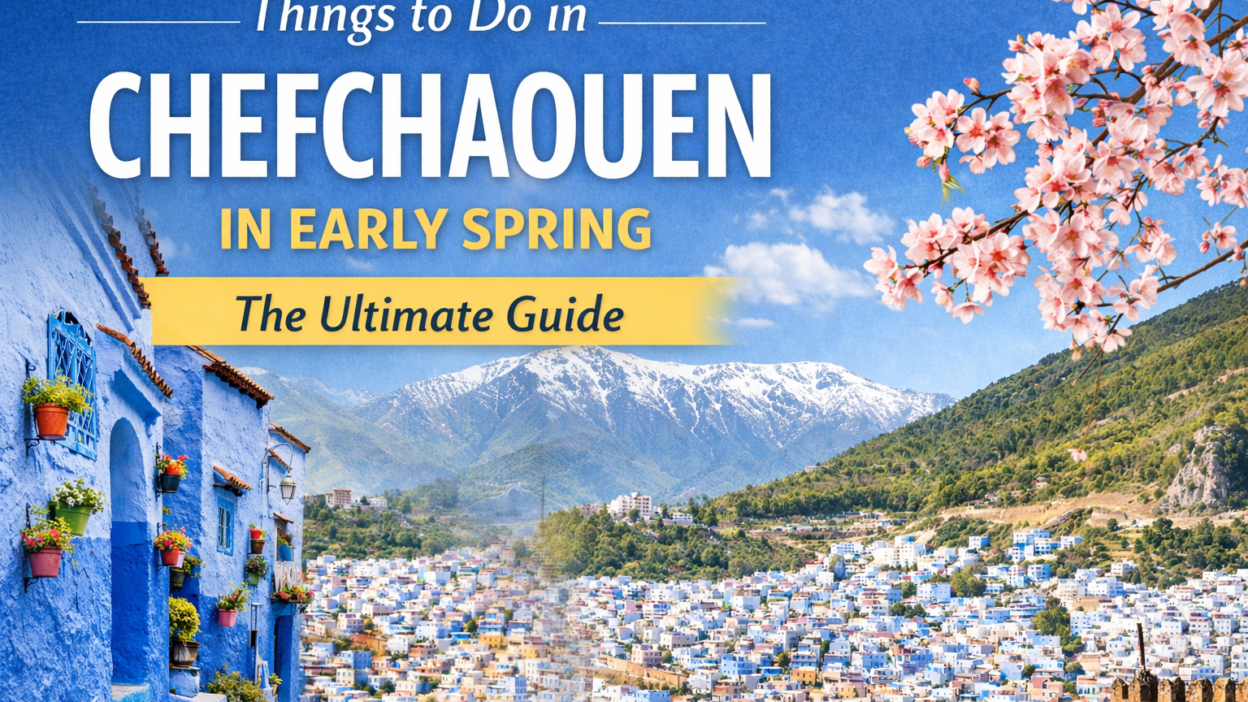
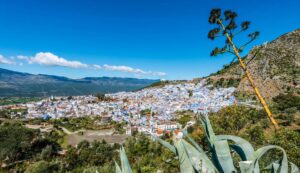
Chefchaouen is often called the “Blue Pearl” of Morocco. This mountain city is famous for its striking, blue-washed buildings. While it is beautiful year-round, early spring offers a truly unique experience.
In early spring, the Rif Mountains turn a vibrant green. The air is crisp and refreshing. You can explore the winding alleys without the intense summer heat. This guide covers everything you need to know for a spring getaway.
Early spring in Chefchaouen typically spans from March to late April. This period is a “sweet spot” for travelers. The massive summer crowds have not yet arrived. You can enjoy the city at a much slower, more authentic pace.
The natural landscape is also at its peak. Winter rains bring the surrounding hills to life. Wildflowers begin to bloom along the hiking trails. It is a photographer’s dream come true.
Weather and Temperature Expectations
The weather in early spring is mild but can be unpredictable. Daytime temperatures usually range between 15°C and 20°C. This is perfect for walking and exploring. However, the mountain air remains cool.
Evening temperatures can drop significantly. It is common for nights to reach 8°C or 10°C. You should expect occasional rain showers during this season. These showers keep the city clean and the gardens lush.
Wandering the Enchanting Blue Medina
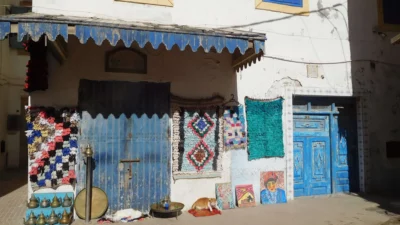
The Medina is the heart and soul of Chefchaouen. In spring, the blue walls contrast beautifully with blooming potted plants. You can spend hours getting lost in the labyrinth of narrow streets. Each turn offers a new shade of indigo or turquoise.
Because there are fewer tourists, you can interact more with locals. Shopkeepers are often more relaxed and open to conversation. This is the best time to learn the stories behind the city.
Capturing the Best Photos
Photographers love the soft light of early spring. The sun is not as harsh as it is in July. This makes it easier to capture the true depth of the blue paint. Aim for the “Golden Hour” just before sunset.
Callejon El Asri: Known for its iconic flower-lined steps.
Blue Street: A popular spot for vibrant, immersive shots.
Doorways: Look for the intricately carved wooden doors.
Early morning is the best time for photography. The streets are empty and the light is gentle. You will have the most famous spots all to yourself.
Exploring the Great Outdoors
Chefchaouen is nestled in the Rif Mountains. Spring is the prime season for outdoor enthusiasts. The trails are no longer muddy from winter but aren’t yet scorched by summer. The scenery is reminiscent of the Mediterranean countryside.
Hiking to God’s Bridge
God’s Bridge is a stunning natural stone arch. It sits high above the Farda River. The hike is moderately challenging but very rewarding. In spring, the river flow is strong and clear.
The trail takes you through lush vegetation. You might see local shepherds with their flocks. The bridge itself is a marvel of erosion and time. It is a must-see for anyone who loves nature.
The Akchour Waterfalls in Full Flow
A short drive from the city leads you to Akchour. This area is famous for its waterfalls and emerald pools. In early spring, the water volume is at its highest. The sound of rushing water fills the canyon.
The Lower Falls: Easily accessible for casual walkers.
The Grand Cascade: A longer hike for more experienced trekkers.
Picnic Spots: Many small cafes line the riverbank.
You can enjoy a traditional tagine right by the water. The cool spring breeze makes the hike very comfortable. Don’t forget to wear sturdy walking shoes.
Cultural Landmarks You Can’t Miss
Beyond the blue walls, Chefchaouen has a rich history. The city was founded in 1471 as a small fortress. It served as a base to fight Portuguese invasions. Today, that history is preserved in its landmarks.
The Historic Kasbah
The Kasbah is located in the main square, Place Outa el-Hammam. It is a heavily restored fortress with beautiful gardens. Inside, you will find a small ethnographic museum. It showcases traditional Rifian clothing, instruments, and pottery.
The central garden is a peaceful oasis in spring. You can climb the tower for a panoramic view of the city. From here, you can see how the blue houses nestle against the mountain. It provides a great perspective on the city’s layout.
Sunset at the Spanish Mosque
The Spanish Mosque sits on a hill overlooking the city. It is a 15-minute walk from the eastern gate of the Medina. The mosque was built in the 1920s but was never fully used. Today, it is the most popular sunset viewpoint.
In spring, the sun sets behind the distant peaks. The sky turns shades of pink and orange. This creates a stunning contrast with the blue city below. It is the perfect way to end a day of exploration.
Culinary Experiences in Spring
Moroccan cuisine is seasonal and flavorful. In Chefchaouen, the food is influenced by both mountain and Mediterranean traditions. Spring brings a variety of fresh ingredients to the local markets.
Sampling Fresh Local Produce
The region is famous for its goat cheese (Jben). In spring, the pastures are lush, leading to high-quality milk. You can find this cheese sold in rounds wrapped in palm leaves. It is often served with honey or olives for breakfast.
Bissara: A rich fava bean soup topped with olive oil and cumin.
Spring Tagines: Look for tagines featuring artichokes and green peas.
Fresh Mint Tea: Always served hot and sweet with fresh mountain mint.
Dining at Place Outa el-Hammam is a great experience. You can watch the world go by while enjoying a meal. Many restaurants have rooftop terraces with stunning mountain views.
Shopping for Authentic Crafts
Chefchaouen is known for its unique handicrafts. The city has a long tradition of weaving and woodcarving. Shopping here feels more personal than in larger cities like Marrakech.
Textiles and Blankets
The Rif Mountains can get cold, so locals are experts at wool. You will find beautiful hand-woven blankets and rugs. The designs often feature bright stripes and geometric patterns. These make for excellent, high-quality souvenirs.
The “Djellaba” is a traditional long robe. In Chefchaouen, they are often made of heavy wool for the winter. In spring, you can find lighter versions made of cotton or linen. They are both practical and stylish for the local climate.
Practical Tips for Your Spring Trip
Planning a trip to the mountains requires some preparation. While the city is welcoming, it is important to respect local customs. Here are a few tips to ensure your trip goes smoothly.
What to Pack
Layering is the key to comfort in early spring. You will experience a wide range of temperatures in a single day. Lightweight clothing is great for the sun, but a jacket is essential for the evening.
Waterproof Jacket: For those sudden spring showers.
Comfortable Sneakers: The Medina streets are steep and uneven.
Modest Clothing: Respect the local culture by covering shoulders and knees.
A Scarf: Useful for wind and for visiting religious sites.
Getting Around
Chefchaouen is a pedestrian-friendly city. In fact, most of the Medina is inaccessible to cars. You will do a lot of walking, so prepare for plenty of stairs. Small “petit taxis” are available for trips outside the center.
If you are coming from Tangier or Fes, the CTM bus is a reliable option. The drive through the mountains is spectacular in spring. You will see green valleys and blooming almond trees along the way.
Why 2026 is the Year to Go
As travel continues to evolve, Chefchaouen remains a top destination for slow travel. In 2026, the city has focused on sustainable tourism initiatives. There are more eco-friendly lodges and guided nature tours than ever before.
By visiting in early spring, you support the local economy during the shoulder season. You get to see the city at its most natural. It is a time of renewal and beauty that you won’t soon forget.
Feature
Early Spring (Mar-Apr)
Summer (Jun-Aug)
Temperature
Mild (15-20°C)
Hot (30-35°C)
Crowds
Moderate
High
Landscape
Green & Lush
Dry & Golden
Activity
Best for Hiking
Best for Relaxing
Chefchaouen is more than just a place for a photo. It is a sanctuary of color and culture. This spring, take the time to breathe the mountain air and soak in the blue.