Late fall in Casablanca offers a perfect blend of comfortable weather and cultural richness. The scorching summer heat has faded, leaving behind pleasant temperatures ideal for exploration. From November through early December, the city comes alive with a special charm that’s uniquely Moroccan.
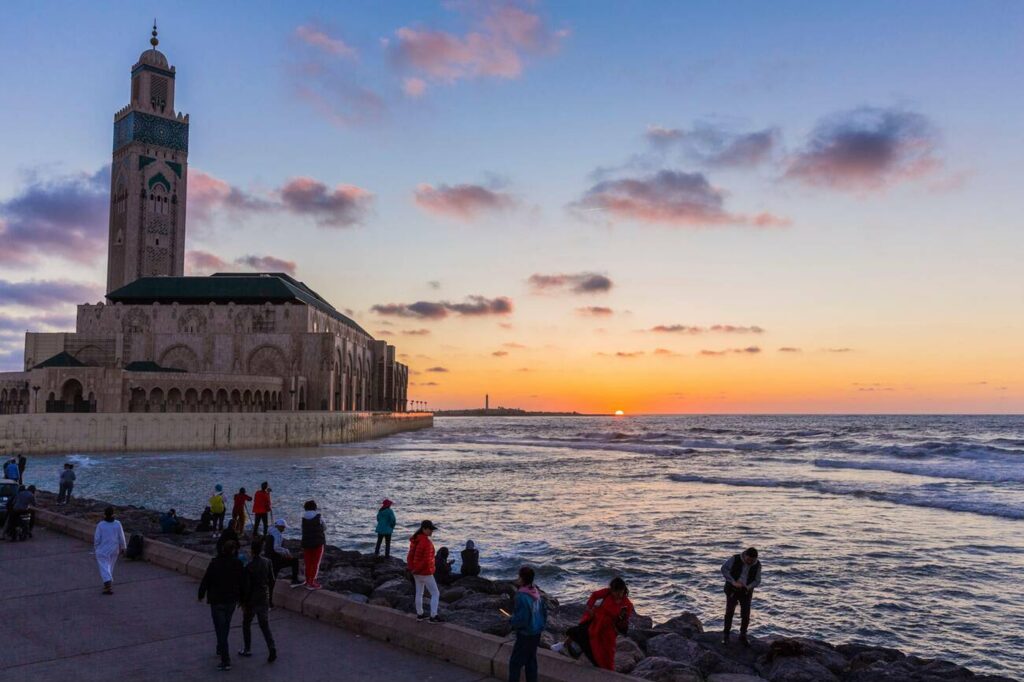
Hassan II Mosque at sunset with Atlantic Ocean
Why Visit Casablanca in Late Fall
The weather during late fall is simply magnificent. Temperatures hover between 60-70°F (15-21°C), making outdoor activities enjoyable. You won’t face the intense summer crowds either. This creates a more authentic experience of the city’s daily rhythms.
Rain is minimal during this season. You might encounter occasional showers, but they’re brief and refreshing. The air feels crisp and clean, especially near the Atlantic coast. Pack a light jacket for evening strolls and you’re all set.
Explore the Magnificent Hassan II Mosque
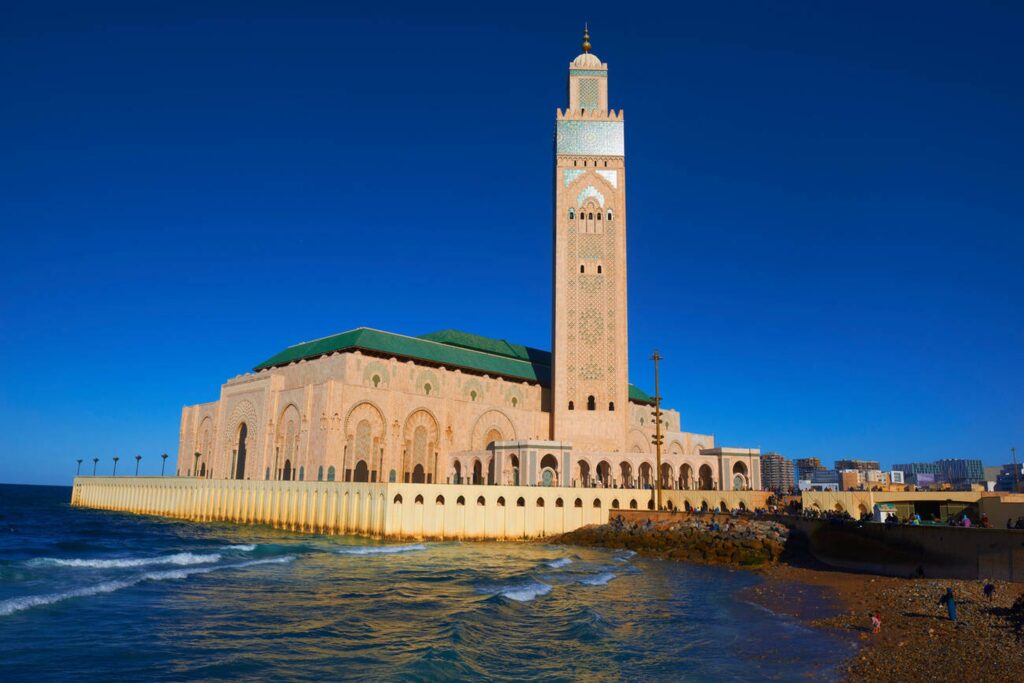
No visit to Casablanca is complete without experiencing this architectural masterpiece. The Hassan II Mosque stands as one of the world’s largest mosques. Its minaret soars 689 feet into the sky, visible from miles away.
Hassan II Mosque
The mosque sits partially over the Atlantic Ocean. This unique position creates breathtaking views, especially during sunset. The building can accommodate 25,000 worshippers inside and another 80,000 in the courtyard.
Taking a Guided Tour
Non-Muslims can visit through organized tours only. These tours run multiple times daily, with English and French options available. The tour lasts approximately one hour and covers the main prayer hall and ablution rooms.
Inside, you’ll witness stunning craftsmanship. Moroccan artisans spent years creating intricate mosaics and carved cedar ceilings. The massive chandelier and marble floors add to the grandeur. Photography is allowed, so bring your camera.
Tour Tips:
Book tickets in advance during peak season
Dress modestly (covered shoulders and knees)
Remove shoes before entering prayer areas
Arrive 15 minutes early for your tour slot
Stroll Through the Corniche
The Corniche is Casablanca’s vibrant beachfront boulevard. It stretches for several miles along the Atlantic coast. Late fall offers perfect conditions for leisurely walks here.
The area feels less crowded than summer months. You can actually enjoy the ocean breeze without fighting through tourist crowds. The promenade features palm trees, modern sculptures, and plenty of benches for rest stops.
Beach Clubs and Restaurants
Several upscale beach clubs line the Corniche. Many remain open through late fall, though with reduced hours. These venues offer fresh seafood, cocktails, and stunning ocean views.
Popular spots include La Sqala and Cabestan. These restaurants serve traditional Moroccan cuisine with a contemporary twist. Reservations are recommended for weekend dinners. The sunset views from their terraces are spectacular.
Evening Activities
As darkness falls, the Corniche transforms into a social hub. Locals gather for evening walks and conversations. Street vendors sell roasted nuts, fresh juice, and traditional snacks.
The Morocco Mall sits at the southern end of the Corniche. This massive shopping center features international brands and a large aquarium. It’s a great option for rainy afternoons or evening entertainment.
Discover the Old Medina
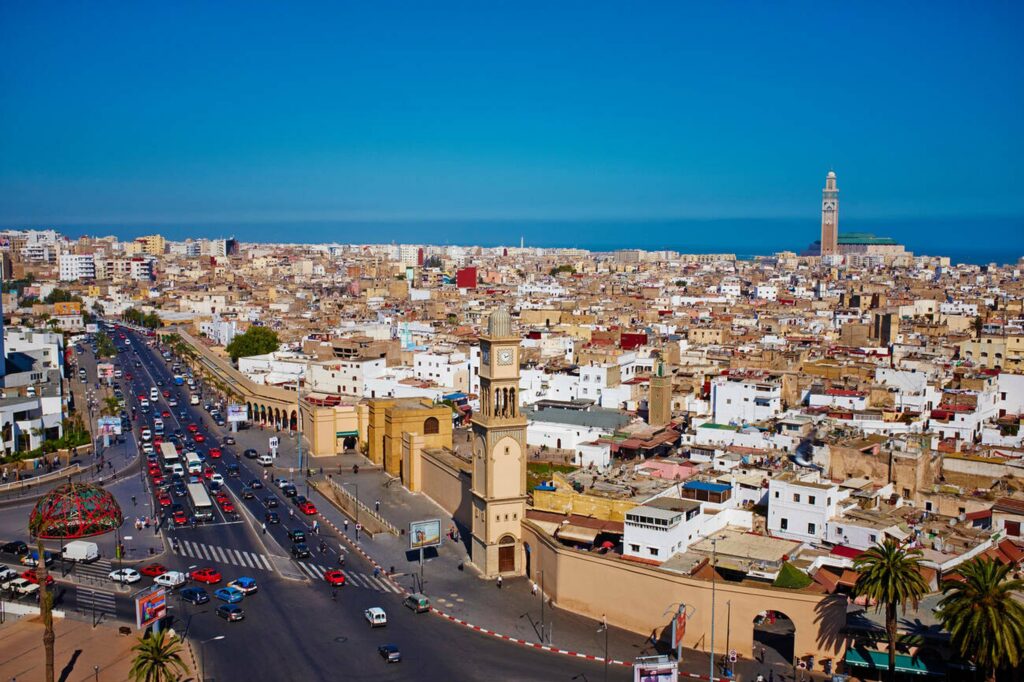
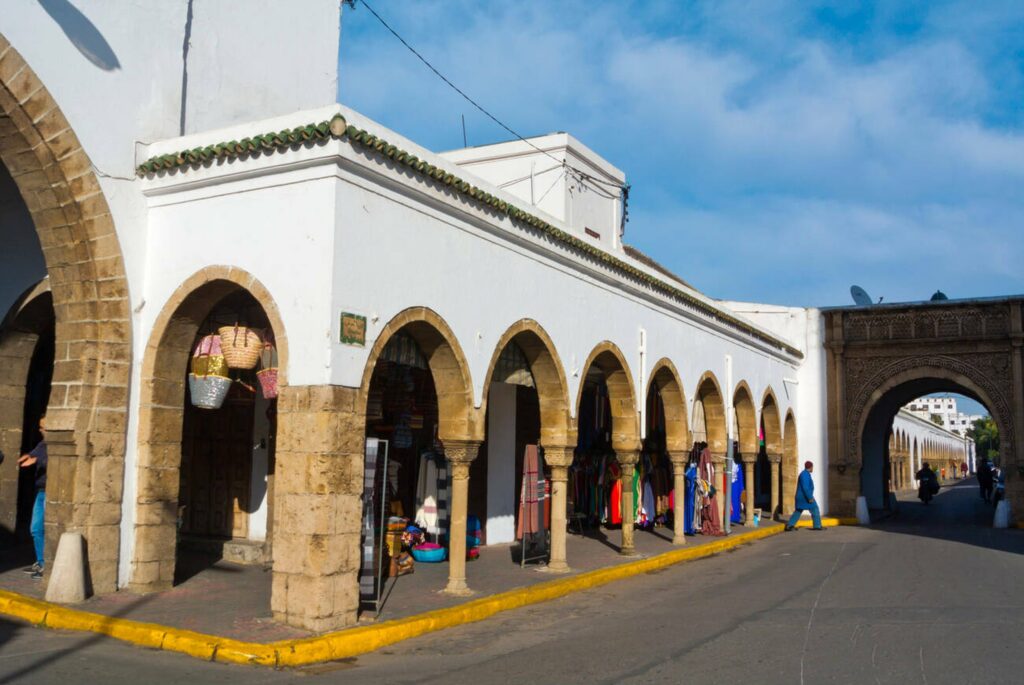
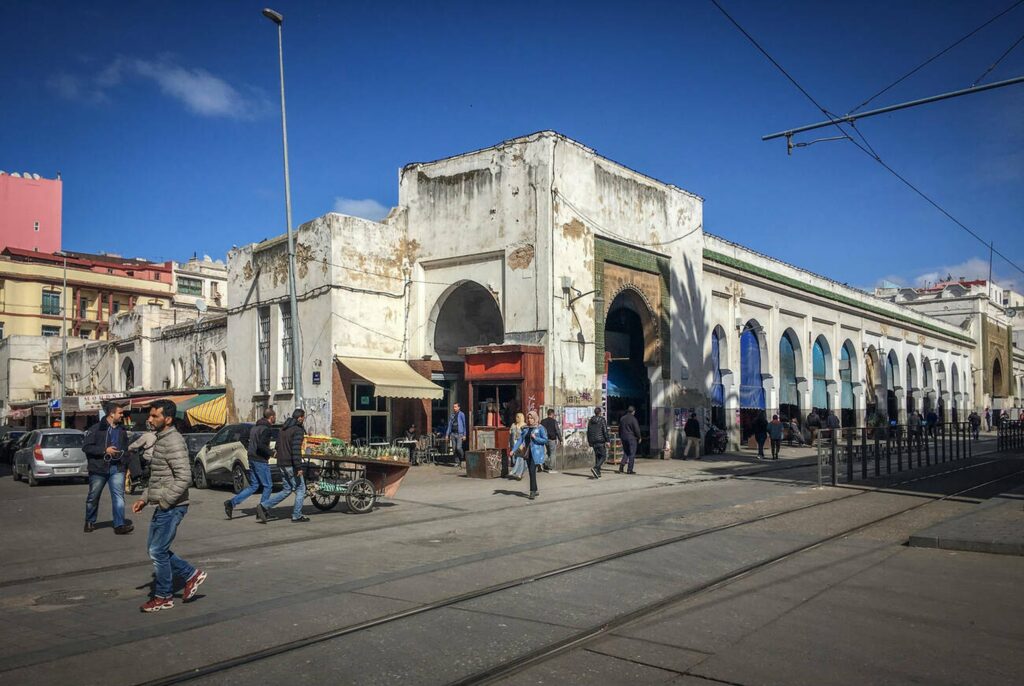
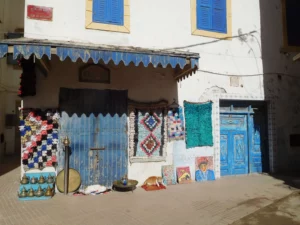
Casablanca’s old medina offers a stark contrast to the modern city. The ancient walls enclose narrow alleys filled with traditional shops and workshops. This area provides an authentic glimpse into traditional Moroccan life.
casablanca old medina
The medina feels less overwhelming than those in Marrakech or Fez. You can explore without feeling constantly pressured by aggressive vendors. Late fall’s mild weather makes walking through the covered souks comfortable.
What to Shop For
The medina specializes in certain crafts and goods. Leather goods, traditional clothing, and spices dominate the market stalls. Prices are generally lower than in tourist-heavy cities.
Popular Items to Buy:
Hand-woven Berber rugs
Argan oil products
Traditional babouches (slippers)
Colorful tagines and pottery
Moroccan spices and tea
Haggling is expected and part of the experience. Start by offering 50-60% of the initial price. The negotiation process is friendly and often includes mint tea.
Traditional Food Vendors
Small restaurants and food stalls dot the medina’s alleyways. These family-run establishments serve authentic Moroccan dishes at reasonable prices. The food is fresh and prepared according to traditional recipes.
Try the harira soup, especially popular during late fall. This hearty lentil and chickpea soup warms you perfectly on cooler evenings. Fresh bread is baked throughout the day in traditional ovens.
Visit Rick’s Café
Film enthusiasts will recognize this name from “Casablanca,” the classic 1942 movie. While the original Rick’s Café was fictional, an American diplomat created this recreation in 2004. The establishment captures the romantic atmosphere of the film.
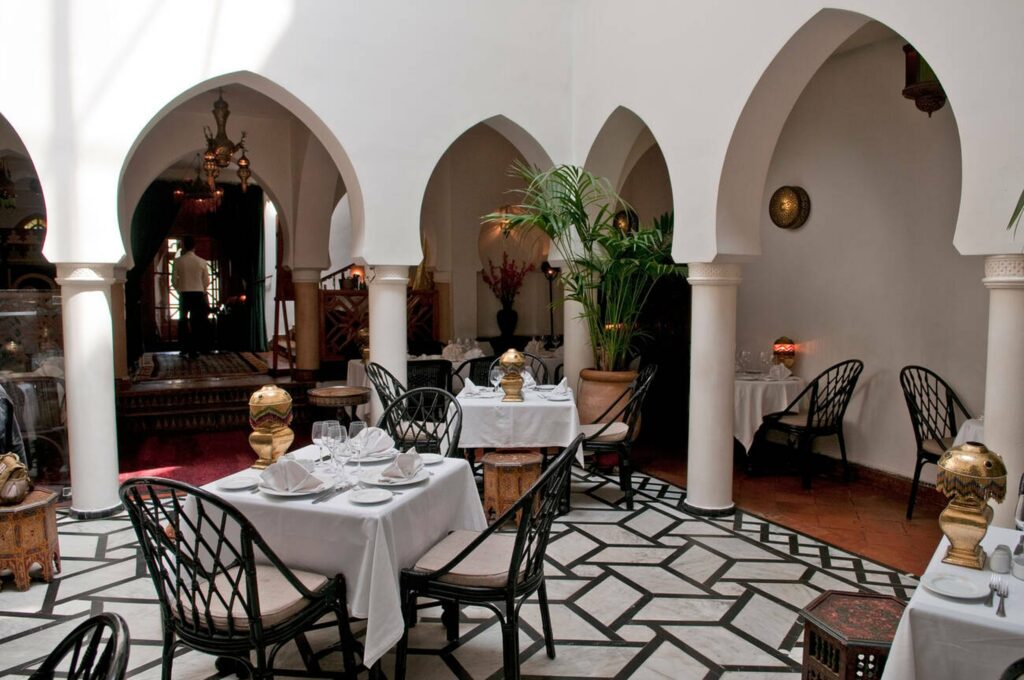
rick’s cafe
The café occupies a restored mansion in the old medina. Its elegant décor includes a curved bar, white archways, and period furniture. A pianist plays classic tunes, adding to the nostalgic ambiance.
Dining Experience
Rick’s Café serves both Moroccan and international cuisine. The menu features dishes like lamb tagine, couscous, and fresh seafood. Quality is consistently high, though prices reflect the tourist-oriented nature.
Reservations are essential, especially for dinner service. The restaurant attracts visitors from around the world. Request a table on the upper level for the best atmosphere and photo opportunities.
Experience Place Mohammed V
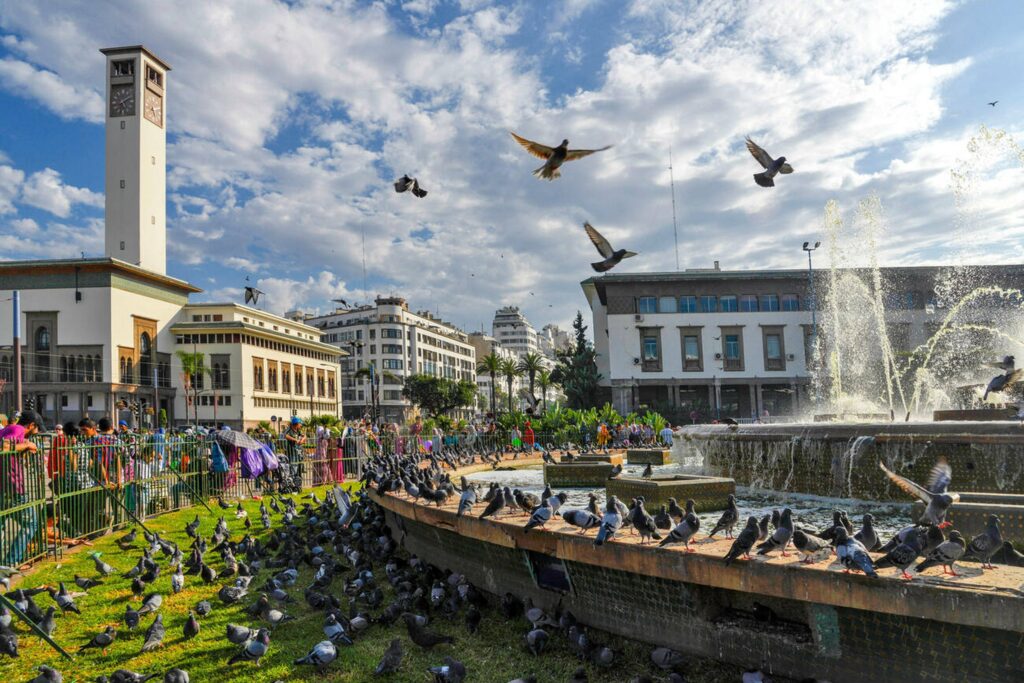
This central square represents modern Casablanca’s heart. French colonial architecture surrounds the spacious plaza. The buildings showcase Art Deco influences mixed with Moorish details.
The square serves as a gathering place for locals and tourists alike. Fountains and gardens provide peaceful spots for relaxation. Street performers occasionally entertain crowds, especially on weekends.
place mohammed v casablanca
Architectural Highlights
The Palace of Justice dominates one side of the square. Its white facade and clock tower are particularly photogenic. The Prefecture building displays similar architectural grandeur.
Late afternoon light creates perfect conditions for photography. The warm glow enhances the buildings’ cream-colored stone. Bring your camera for stunning architectural shots.
Nearby Attractions
The United Nations Square sits just a short walk away. This bustling area features more gardens, cafés, and shopping opportunities. The central fountain becomes illuminated at night, creating a magical atmosphere.
The Habous Quarter lies within walking distance as well. This “new medina” was built by the French in the 1930s. It combines traditional Moroccan architecture with more organized, spacious streets.
Explore the Quartier Habous
The Habous Quarter offers a unique shopping and cultural experience. Built during the French protectorate, it blends traditional and colonial elements. The wide streets make navigation easier than in the old medina.
Quartier Habous
Artisan workshops line the organized souks. You can watch craftsmen creating traditional goods using centuries-old techniques. The atmosphere feels more relaxed and less touristy than other medinas.
Specialty Shops
The quarter is famous for several specific items. Antique shops sell vintage Moroccan artifacts and jewelry. Book lovers will find Arabic calligraphy and old manuscripts.
The pastry shops here are legendary. Traditional Moroccan sweets like gazelle horns and chebakia are made fresh daily. These make excellent gifts or personal treats.
Must-Try Sweets:
Kaab el ghzal (gazelle horns)
Chebakia (sesame cookies)
Sellou (nutty energy balls)
Ghriba (almond cookies)
Makrout (date-filled semolina cakes)
The Royal Palace
The Royal Palace sits adjacent to the Habous Quarter. While you cannot enter the palace grounds, the exterior walls and gates are impressive. Guards in traditional uniform stand at the main entrance.
The surrounding gardens are well-maintained and peaceful. This area is perfect for a quiet break from shopping. Respect all barriers and photography restrictions near palace grounds.
Enjoy Moroccan Cuisine
Late fall is harvest season in Morocco. Markets overflow with fresh produce, making it prime time for food experiences. Casablanca’s restaurant scene ranges from street food to fine dining.
Traditional Dishes to Try
Moroccan cuisine offers complex flavors and aromatic spices. Each dish tells a story of cultural exchange and tradition. Late fall brings seasonal specialties to restaurant menus.
Tagines are Morocco’s most famous dish. These slow-cooked stews combine meat, vegetables, and dried fruits. The conical clay pot creates tender, flavorful results.
Couscous is traditionally served on Fridays. The tiny semolina grains are steamed to fluffy perfection. Vegetables, meat, and a rich broth complete the dish.
Essential Moroccan Dishes:
Pastilla (sweet and savory pigeon pie)
Mechoui (slow-roasted lamb)
Harira (lentil and chickpea soup)
Zaalouk (eggplant and tomato salad)
Bissara (fava bean soup)
Cooking Classes
Several establishments offer hands-on cooking classes. Learn to prepare authentic Moroccan dishes from experienced chefs. Classes typically last 3-4 hours and include market visits.
You’ll learn essential techniques like layering tagine ingredients properly. The art of creating perfectly fluffy couscous is another key skill. Most classes conclude with enjoying the meal you’ve prepared.
Visit the Mahkama du Pacha
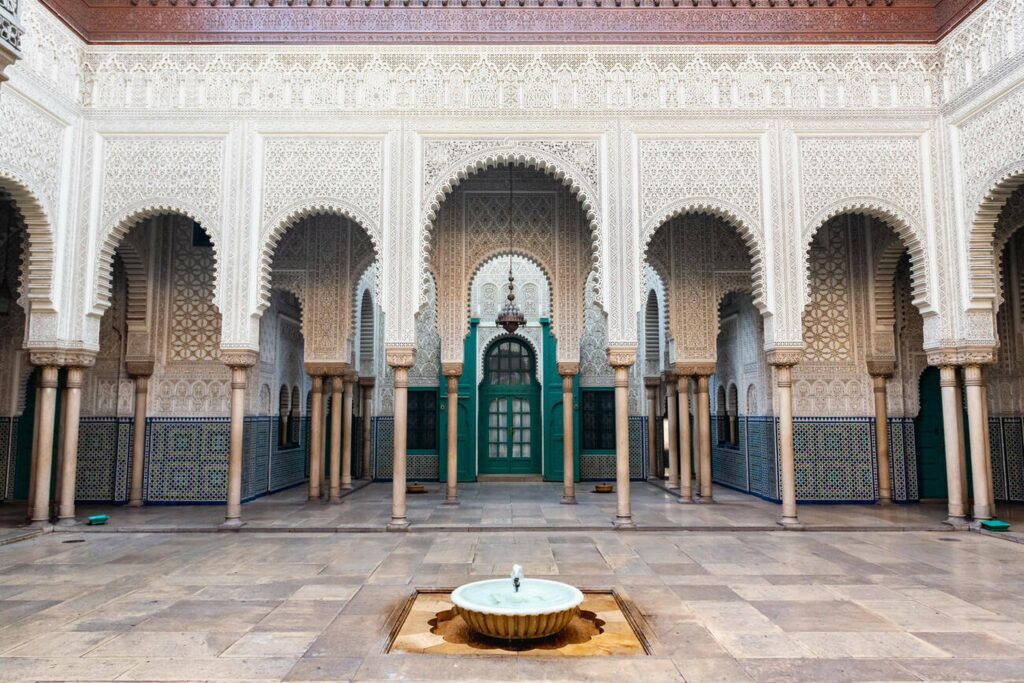
This administrative building doubles as an architectural treasure. Built in the 1940s, it showcases exceptional Moroccan craftsmanship. The building originally served as the pasha’s courthouse.
Sixty master craftsmen spent years decorating the interior. Hand-painted ceilings, carved plaster, and intricate tilework fill every room. The attention to detail is simply astounding.
mahkama du pacha casablanca
Guided Tours
Tours must be arranged in advance through official channels. An authorized guide will lead you through the ornate rooms and courtyards. Photography is permitted in most areas.
The main courtyard features a stunning fountain and horseshoe arches. Each room displays different decorative techniques and styles. The cedar wood carvings are particularly impressive.
Day Trip to El Jadida
El Jadida sits about 90 minutes south of Casablanca. This coastal town offers Portuguese colonial architecture and beautiful beaches. Late fall weather makes the drive pleasant.
The Portuguese Cistern is the main attraction. This underground water reservoir dates to the 16th century. The vaulted ceiling and reflected light create an otherworldly atmosphere.
Beach Activities
El Jadida’s beaches are less developed than those near Casablanca. You’ll find stretches of golden sand and rolling Atlantic waves. Swimming is possible on calm days, though water temperatures cool in late fall.
Seafood restaurants line the beachfront. Fresh fish is grilled to order at reasonable prices. The catch of the day typically includes sea bass, sardines, and prawns.
Experience Casablanca’s Art Scene
The city has a growing contemporary art scene. Several galleries showcase Moroccan and international artists. Late fall coincides with various cultural events and exhibitions.
Villa des Arts
This cultural center promotes Moroccan contemporary art. The gallery hosts rotating exhibitions throughout the year. Entry is free, making it an accessible cultural experience.
The villa itself is an architectural gem. Built in the 1930s, it features Art Deco elements and beautiful gardens. The peaceful grounds provide a welcome retreat from city noise.
Museum of Moroccan Judaism
This unique museum documents Jewish heritage in Morocco. It’s the only Jewish museum in the Arab world. The collection includes religious artifacts, traditional clothing, and historical documents.
The museum tells the story of Jewish-Moroccan coexistence spanning centuries. Exhibits cover daily life, celebrations, and cultural contributions. English explanations accompany most displays.
Relax in Parc de la Ligue Arabe
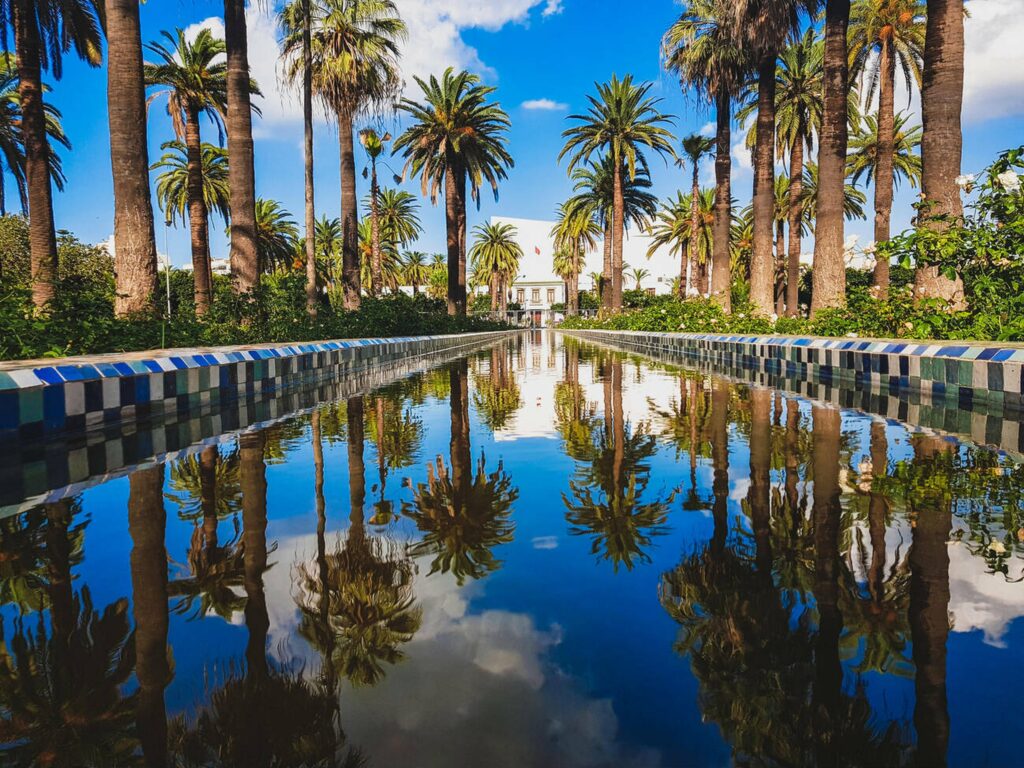
This urban park offers green space in the city center. Palm trees, fountains, and walking paths create a peaceful atmosphere. Locals use the park for morning jogs and evening strolls.
The park covers about 30 acres in central Casablanca. Well-maintained gardens feature both native and exotic plants. Children’s playgrounds make it family-friendly.
parc de la ligue arabe casablanca
Best Times to Visit
Late fall mornings bring cool, fresh air perfect for walking. The park is busiest during weekends when families gather for picnics. Weekday afternoons offer more solitude.
Sunset transforms the park with golden light. Street vendors sell roasted nuts and fresh orange juice. It’s an ideal spot for people-watching and relaxation.
Attend a Hammam
Traditional Moroccan hammams offer more than cleanliness. These bathhouses provide cultural experiences and deep relaxation. Late fall’s cooler weather makes the hot steam rooms especially appealing.
What to Expect
Hammams use a series of increasingly hot rooms. The process begins with sweating to open pores. An attendant then scrubs your skin with a rough mitt called a kessa.
Clay soap called savon beldi is applied and rinsed. The scrubbing removes dead skin, leaving you incredibly smooth. Many hammams offer optional massage services afterward.
Hammam Etiquette:
Bring your own towel and toiletries to public hammams
Swimwear is optional but ask in advance
Tip your attendant (50-100 dirhams is customary)
Stay hydrated before and after
Avoid eating heavily beforehand
Choosing a Hammam
Casablanca offers both traditional public and upscale private hammams. Public hammams are authentic but basic. Private hammams cost more but provide luxury amenities.
Popular upscale options include hammams at major hotels. These cater to tourists with English-speaking staff. They’re more expensive but offer complete packages including massage and tea.
Sample Street Food
Street food reveals Casablanca’s culinary soul. Vendors serve authentic flavors at fraction of restaurant prices. Late fall evenings bring out the best street food scenes.
Popular Street Foods
Msemen are square, flaky pancakes cooked on griddles. They’re served plain or stuffed with onions and spices. Vendors fold them while hot, creating crispy layers.
Sardines are grilled fresh at portable stands. The fish is marinated in chermoula sauce before grilling. Served in crusty bread, they make a perfect quick lunch.
Must-Try Street Foods:
Bocadillo (Moroccan sandwich with various fillings)
Snail soup (believed to have medicinal properties)
Sfenj (Moroccan donuts)
Fresh orange juice (squeezed to order)
Grilled corn on the cob
Street Food Safety
Choose vendors with high turnover and visible cleanliness. Watch for locals eating there—they know the best spots. Avoid raw salads and stick to thoroughly cooked items.
The busiest times are lunch and early evening. Food is freshest then, as vendors prepare multiple batches. Carry small bills, as street vendors rarely have change for large notes.
Visit Twin Center
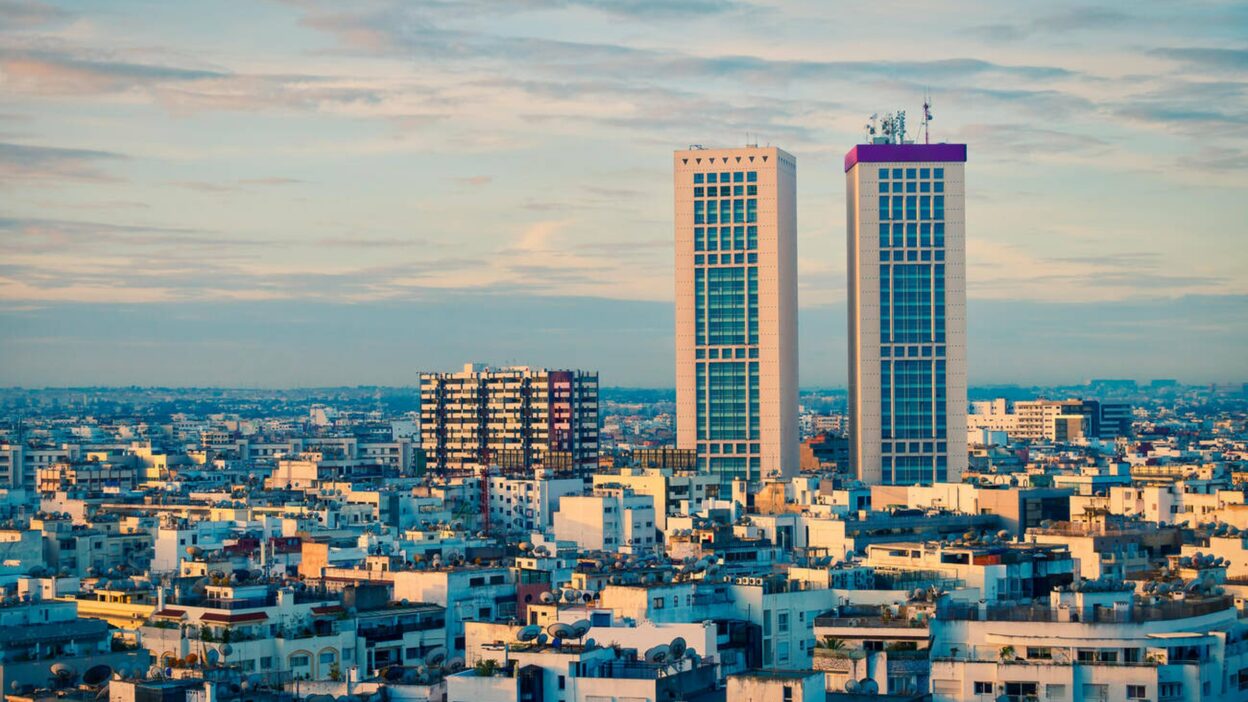
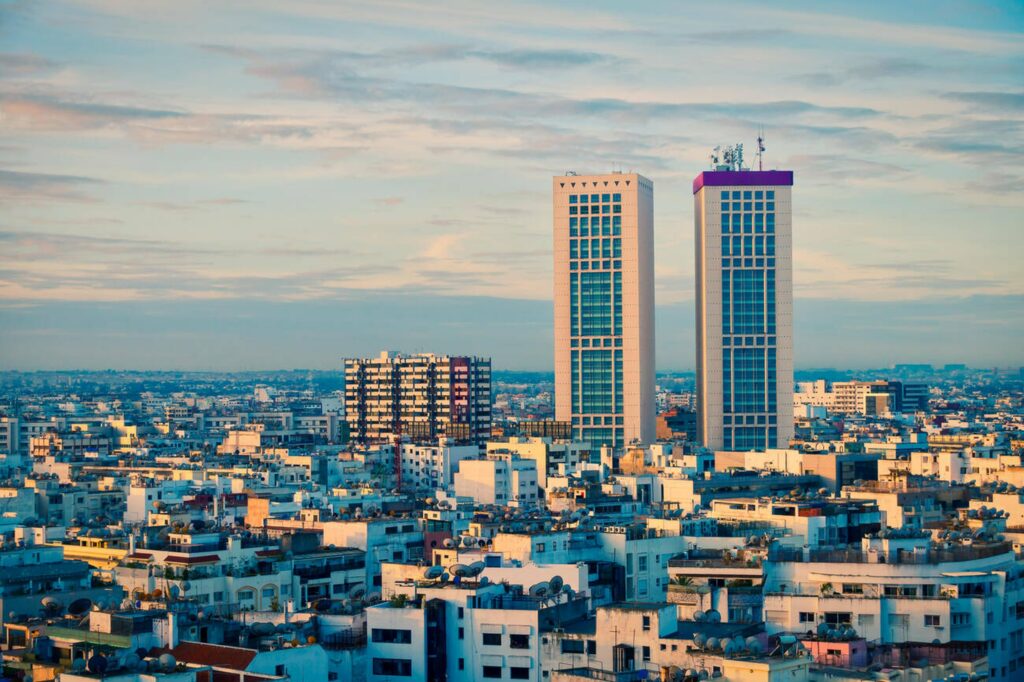
These iconic twin towers define Casablanca’s modern skyline. Standing 115 meters tall, they house offices, apartments, and retail space. The shopping center at the base attracts both tourists and locals.
twin center casablanca
The mall features international brands and Moroccan boutiques. A food court offers various dining options from fast food to sit-down restaurants. It’s air-conditioned and clean—perfect for escaping rain.
Observation Area
While there’s no official observation deck, some upper-floor restaurants offer city views. The perspective provides context for Casablanca’s sprawling layout. You can see from the ocean to the inland neighborhoods.
Evening visits show the city lights spreading toward the horizon. The towers themselves are illuminated at night. They’re visible from many parts of Casablanca after dark.
Experience Local Markets
Beyond tourist-oriented souks, neighborhood markets serve local residents. These markets offer insight into daily Moroccan life. Late fall brings seasonal produce and festive preparations.
Central Market (Marché Central)
This covered market sells fresh produce, meat, fish, and flowers. The building’s Art Deco architecture is worth admiring. Inside, vendors display colorful pyramids of fruits and vegetables.
The fish section showcases the Atlantic’s bounty. Whole fish are arranged on ice beds. Vendors will clean and prepare your purchase for a small fee.
marche central casablanca
What to Buy:
Seasonal citrus fruits (clementines, oranges)
Fresh dates and figs
Olives in countless varieties
Local honey
Fresh herbs and spices
Derb Ghallef
This massive market specializes in electronics and secondhand goods. It’s chaotic and fascinating in equal measure. Bargaining skills are essential here.
You’ll find everything from vintage cameras to modern electronics. Quality varies dramatically, so inspect items carefully. The market operates daily but is busiest on weekends.
Enjoy Coffee Culture
Casablanca’s café culture blends French and Moroccan traditions. Locals spend hours at cafés socializing and people-watching. Late fall weather makes outdoor seating particularly pleasant.
Traditional Cafés
Old-style cafés serve mint tea and strong espresso. These establishments are predominantly male domains, though this is changing. Atmosphere is casual and laid-back.
Games like chess and dominoes are played throughout the day. Newspapers are shared among regulars. You can sit for hours over a single drink without pressure.
Modern Coffee Shops
Newer cafés attract younger crowds and international visitors. They serve specialty coffees, smoothies, and light meals. Free WiFi and comfortable seating make them popular workspace alternatives.
Chains like Paul and Starbucks coexist with independent local cafés. Moroccan coffee shops often serve pastries and sandwiches. The quality generally matches or exceeds international standards.
Evening Entertainment
Casablanca’s nightlife ranges from quiet to vibrant. Late fall brings comfortable evening temperatures for outdoor activities. Options suit various preferences and budgets.
Live Music Venues
Several venues host live performances throughout the week. Jazz clubs feature local and international musicians. Traditional Moroccan music venues offer authentic cultural experiences.
The Casa Jazz Festival sometimes extends into late fall. Check local listings for specific dates and performers. Smaller venues host impromptu jam sessions and open mic nights.
Nightclubs and Bars
Upscale hotels house most of Casablanca’s bars and nightclubs. These venues serve alcohol and play international music. Dress codes are enforced at premium establishments.
The Corniche area has several popular nightspots. They feature DJs, dancing, and ocean views. Most don’t get busy until after 11 PM.
Entertainment Tips:
Reserve tables at popular venues
Dress smart-casual or better
Expect higher prices than daytime establishments
Taxis are readily available late-night
Stay aware of your surroundings
Plan Your Visit
Late fall offers excellent value and pleasant conditions. Planning ahead ensures you maximize your Casablanca experience. A few practical considerations will help.
Accommodation Options
Casablanca offers hotels for every budget. The city center provides easy access to major attractions. Beachfront properties offer ocean views and resort amenities.
Budget travelers find hostels and basic hotels near the medina. Mid-range options include business hotels with modern facilities. Luxury properties offer five-star service and amenities.
Getting Around
Taxis are abundant and relatively inexpensive. Always insist on the meter or negotiate fares beforehand. Ride-sharing apps like Uber operate in Casablanca.
The tramway provides efficient transport along major routes. It’s clean, safe, and affordable. Buses exist but can be confusing for visitors.
Walking is pleasant for short distances in late fall. Major attractions in the city center are within reasonable walking distance. Wear comfortable shoes as sidewalks can be uneven.
Final Thoughts
Casablanca in late fall offers diverse experiences for every traveler. The weather cooperates, crowds thin out, and the city reveals its authentic character. From architectural wonders to culinary delights, you’ll find memorable moments everywhere.
The blend of traditional and modern creates unique appeal. Ancient medinas coexist with contemporary towers. Moroccan traditions mix with international influences.
Whether you’re exploring grand mosques or tiny food stalls, Casablanca rewards curiosity. Take time to wander without strict itineraries. Some of the best experiences happen spontaneously.
Late fall is truly an ideal time to discover this fascinating Moroccan metropolis. Start planning your adventure today.