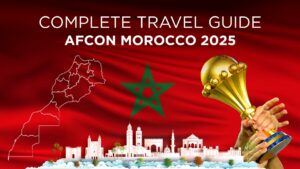
The 35th edition of the Africa Cup of Nations (AFCON 2025) is set to be a historic milestone for African football.For the first time, the tournament will take place during a unique winter window, running from December 21, 2025, to January 18, 2026.As 24 nations descend upon the Kingdom of Morocco, millions of fans are preparing for a journey that blends world-class sport with the legendary hospitality of North Africa.
Whether you are a die-hard supporter following your national team or a neutral traveler looking to soak up the atmosphere, planning your AFCON 2025 Morocco travel requires more than just a match ticket. From the high-speed rails of the north to the sun-drenched coasts of the south, this guide explores the six host cities that will serve as the heartbeat of the tournament.
As the capital of Morocco and the primary operational hub for AFCON 2025, Rabat is where the journey begins and ends.The city will host the opening ceremony, the inaugural match (Morocco vs. Comoros), and the highly anticipated Final on January 18.
The Stadiums
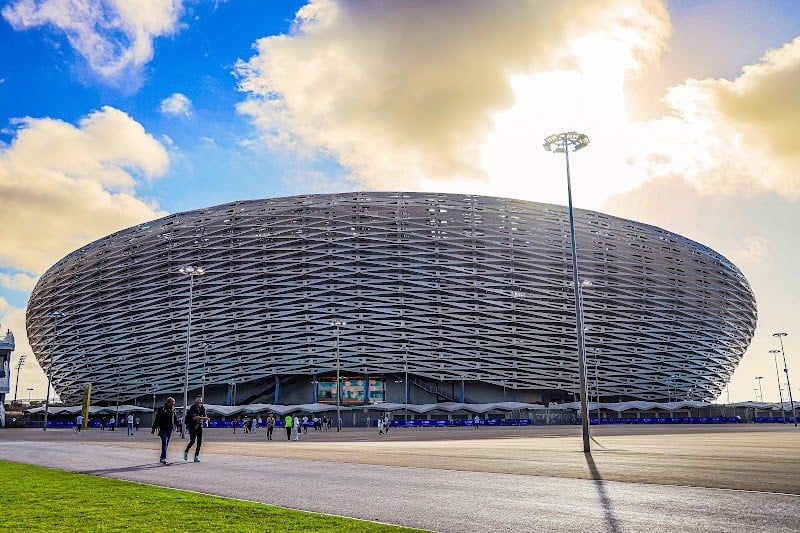
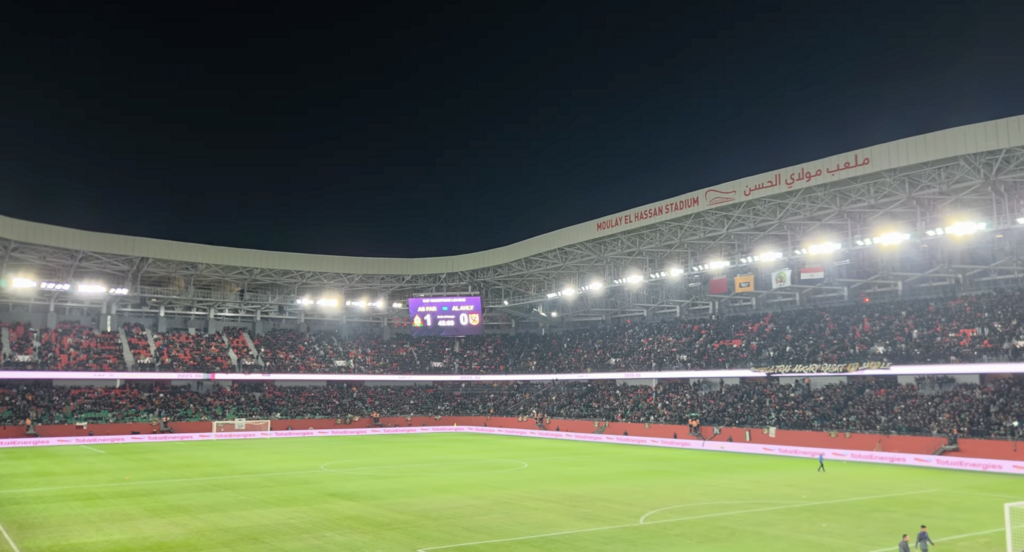
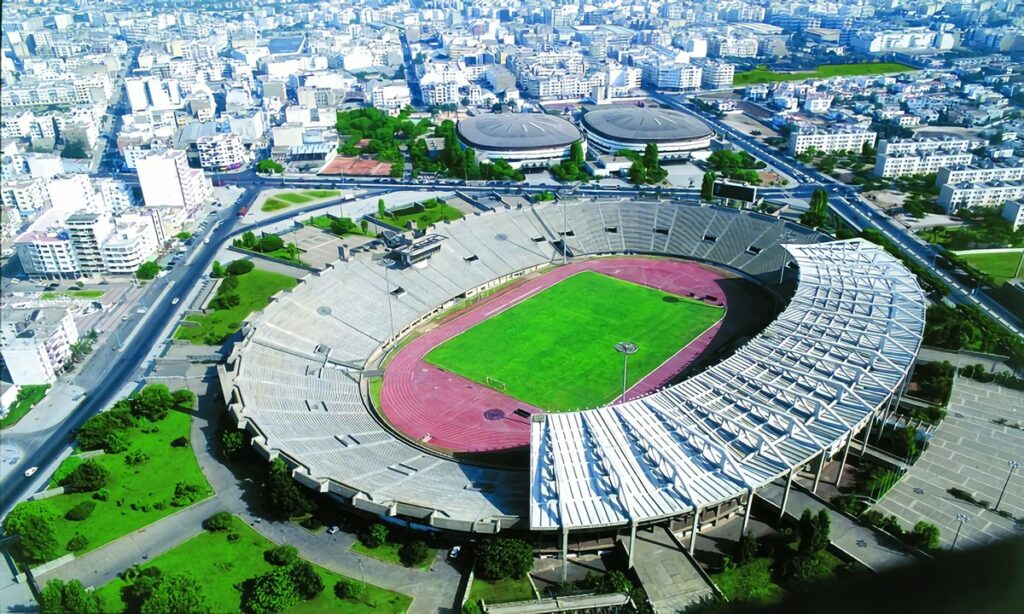
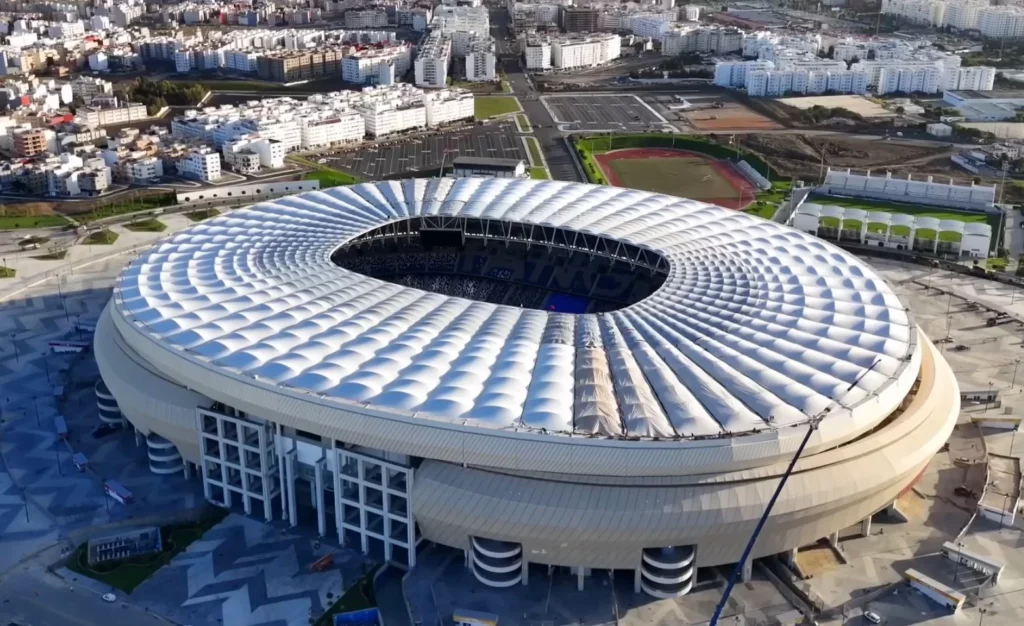
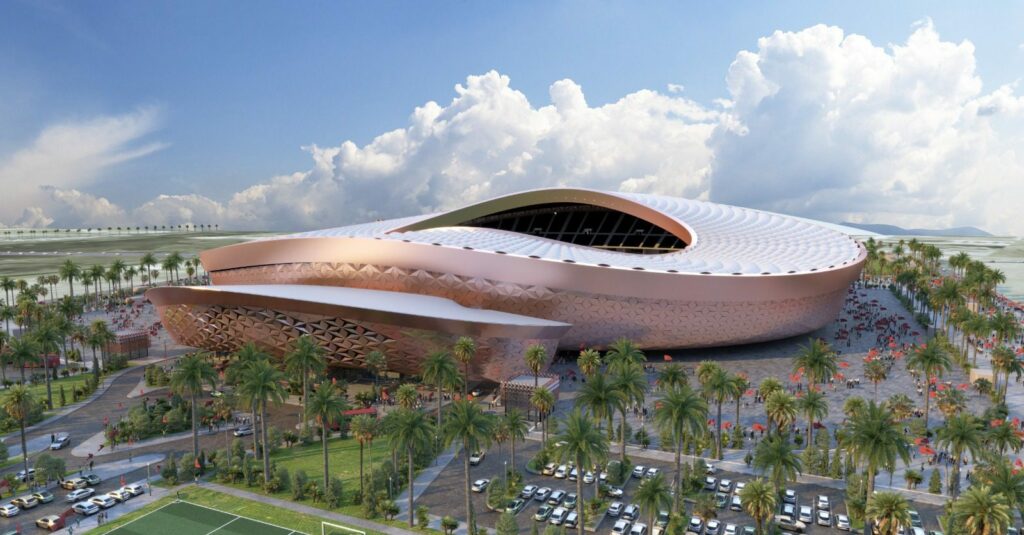
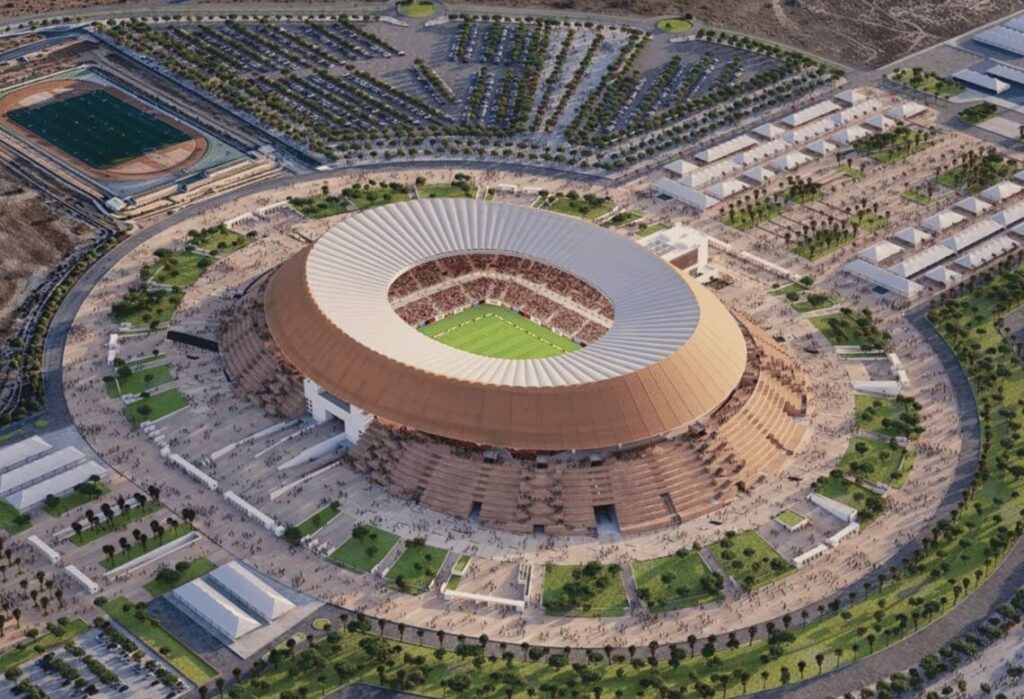
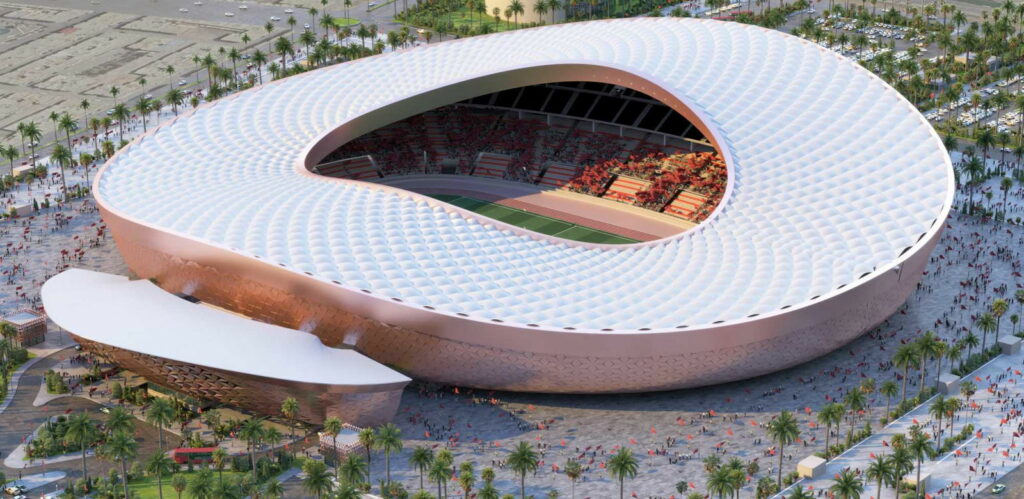
Rabat is unique for offering multiple venues, headlined by the Prince Moulay Abdellah Stadium.Completely rebuilt for this edition, it now boasts a capacity of 68,700 and features a stunning facade inspired by Moroccan palm leaves.Other venues in the city include the Moulay El Hassan Stadium and the Al Barid Stadium, which will host various group-stage matches and training sessions.
Al Barid Stadium
Beyond the Pitch
Rabat offers a more relaxed, “green” atmosphere compared to Casablanca.
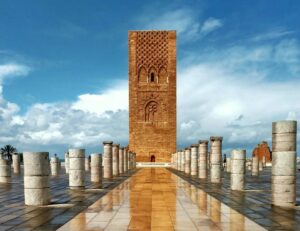
Must-See: The Hassan Tower and the Mausoleum of Mohammed V.
Cultural Gem: Wander through the Kasbah of the Udayas, a fortress with blue-and-white streets overlooking the Atlantic.
Fan Vibe: The city’s tram system makes it incredibly easy to navigate between fan zones and historic sites.
2. Casablanca: The Economic Heartbeat
Casablanca is Morocco’s largest city and a symbol of urban energy. Known for its deep football roots—home to giants Raja and Wydad—the city will be a focal point for Group A and B fixtures, as well as the third-place playoff.
The Venue: Stade Mohammed V
Often called the “Temple of Moroccan Football,” Stade Mohammed V (capacity 45,000) has undergone extensive renovations to meet FIFA and CAF standards. The atmosphere here is notoriously electric; expect some of the loudest chants in the tournament.
Experience the City
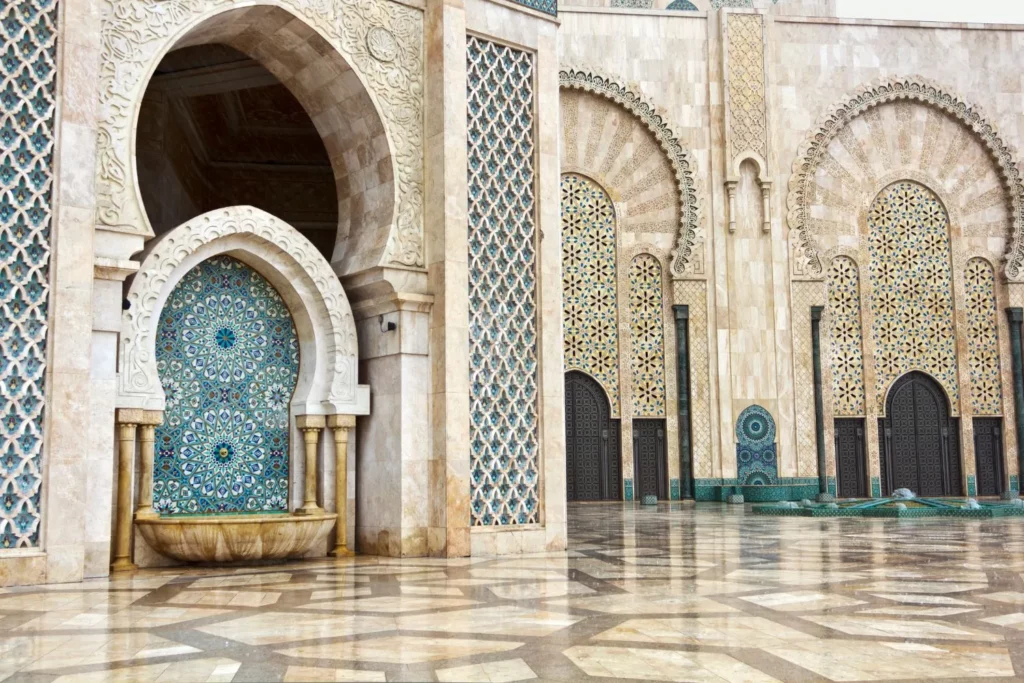
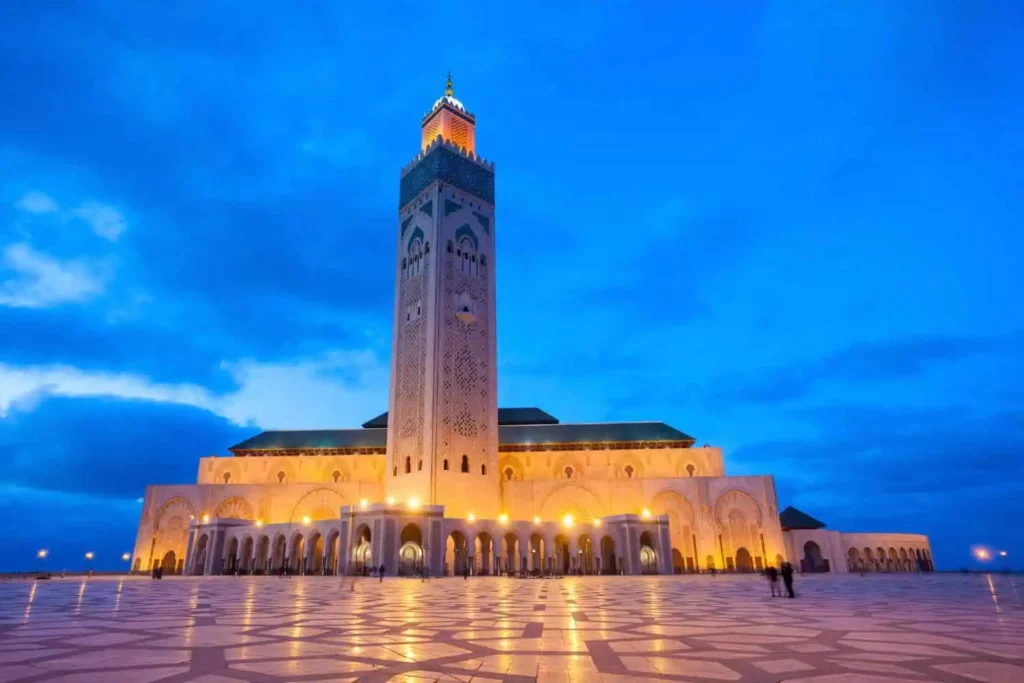
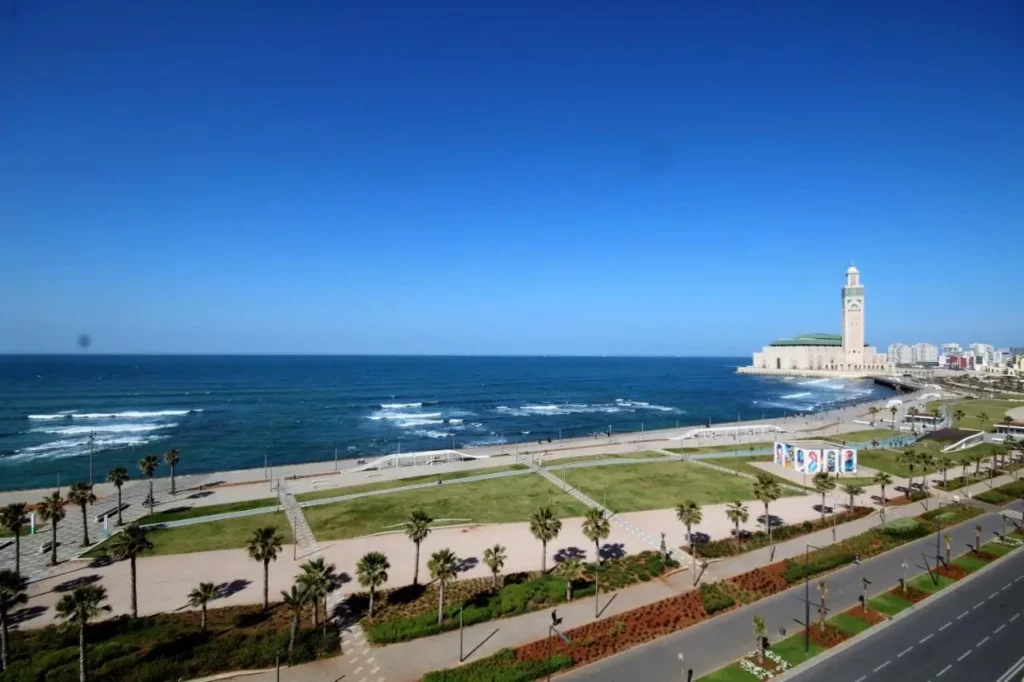
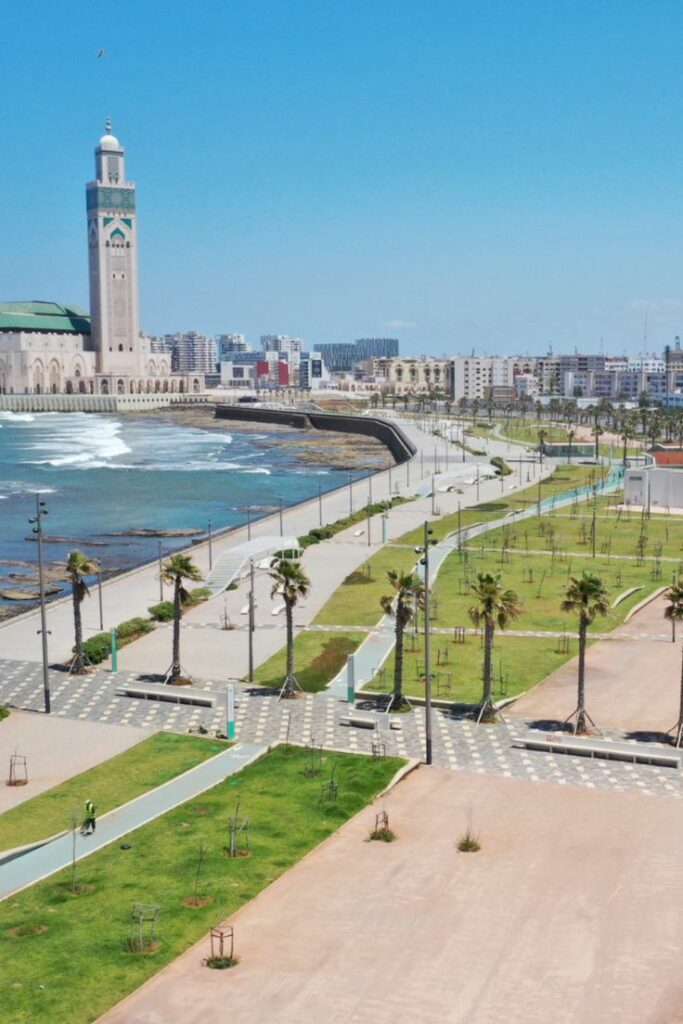
Landmark: The Hassan II Mosque is an architectural marvel and one of the largest mosques in the world, partially built over the ocean.
Leisure: Stroll along the Corniche Ain Diab for beachside dining and nightlife.
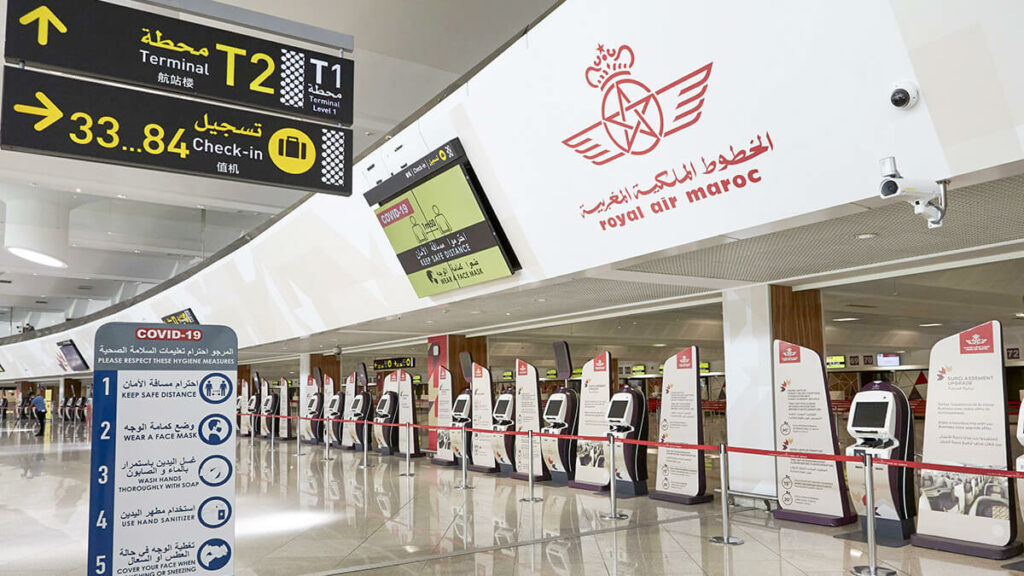
Travel Tip: Casablanca’s Mohammed V International Airport (CMN) is the main gateway for international fans arriving in Morocco.
3. Tangier: The Gateway to Europe
Located at the northern tip where the Mediterranean meets the Atlantic, Tangier is a city of writers, artists, and now, world-class football.
The Venue: Ibn Batouta Stadium
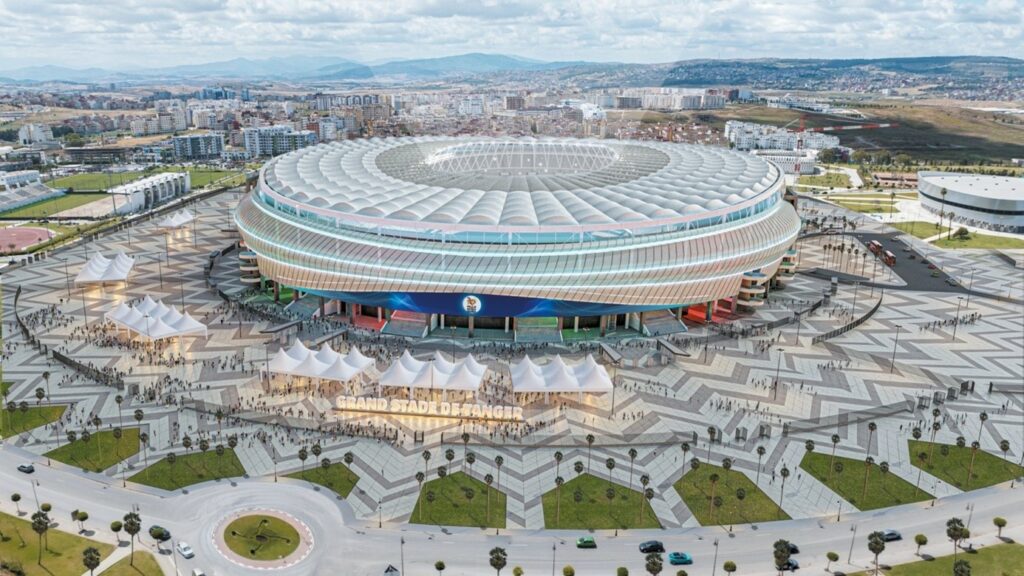
With a capacity of 75,000, the Grand Stade de Tanger is the largest venue in the tournament. It will host a semi-final and key matches for heavyweights like Senegal. The stadium’s recent upgrades removed the athletics track, bringing fans closer to the action than ever before.
Fan Activities
Views: Visit Cap Spartel and the Hercules Caves for breathtaking natural scenery.
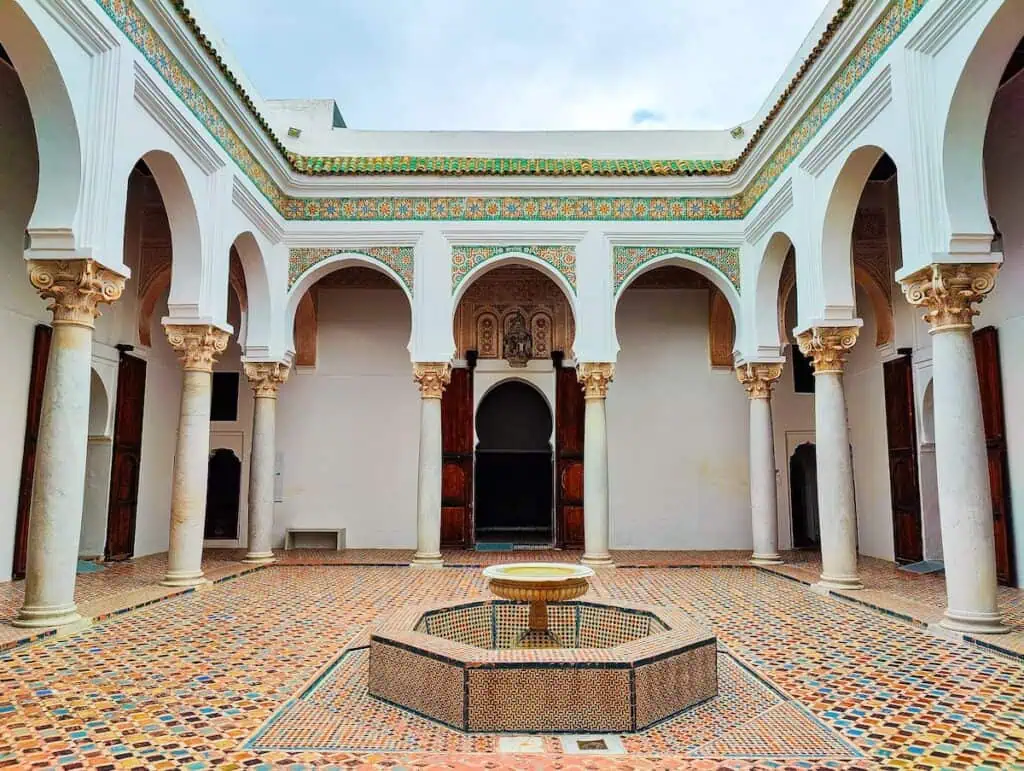
History: The Kasbah Museum offers a deep dive into the city’s multicultural past.
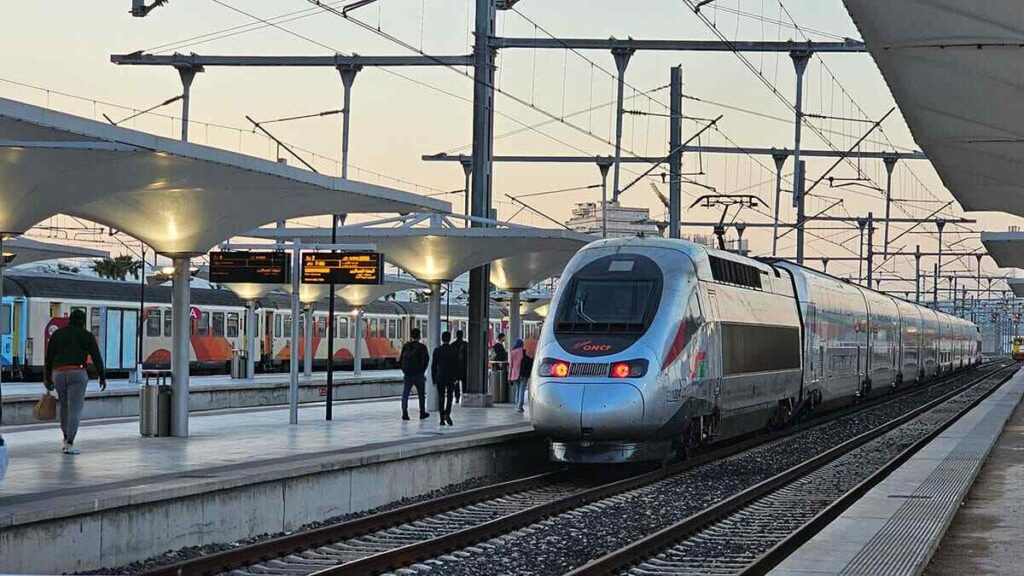
High-Speed Rail: Tangier is the northern terminus of the Al Boraq, Africa’s first high-speed train, connecting you to Rabat and Casablanca in record time.
4. Marrakech: The “Red City” of Celebration
Marrakech is Morocco’s tourism capital and likely the most popular base for international fans. It provides a perfect blend of luxury resorts and ancient tradition.
The Venue: Grand Stade de Marrakech
Known for its distinctive ochre walls and corner towers that mimic traditional Moroccan architecture, this 45,240-capacity stadium will host major Group F matches, featuring teams like Ivory Coast and Cameroon.
Must-Visit Spots
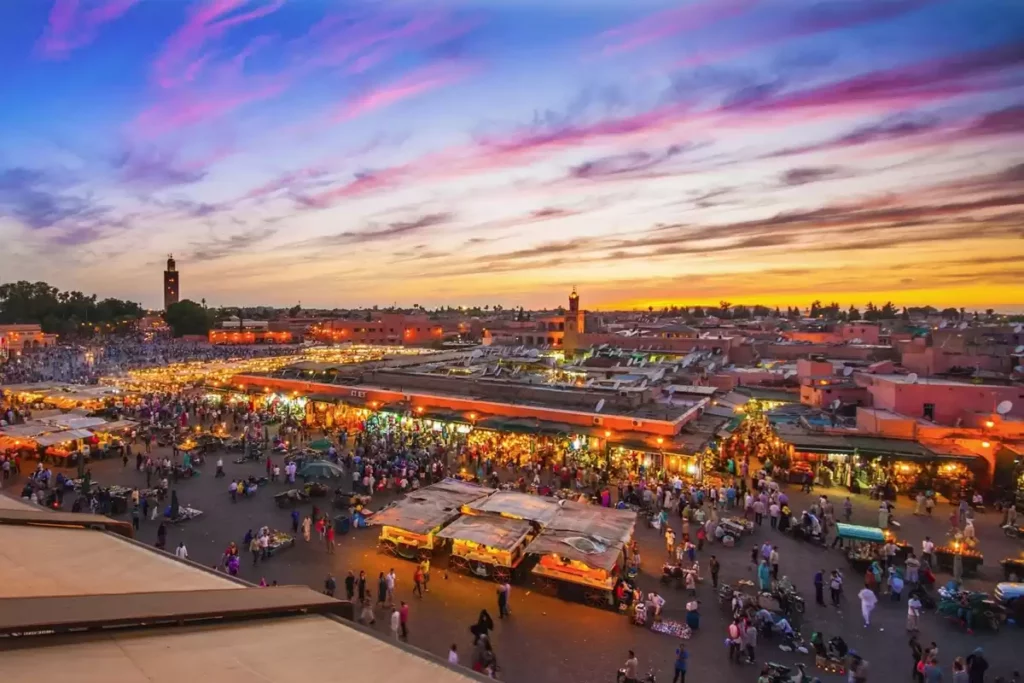
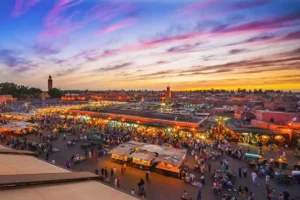
The Heart:Jemaa el-Fnaa Square comes alive at night with food stalls, musicians, and storytellers.
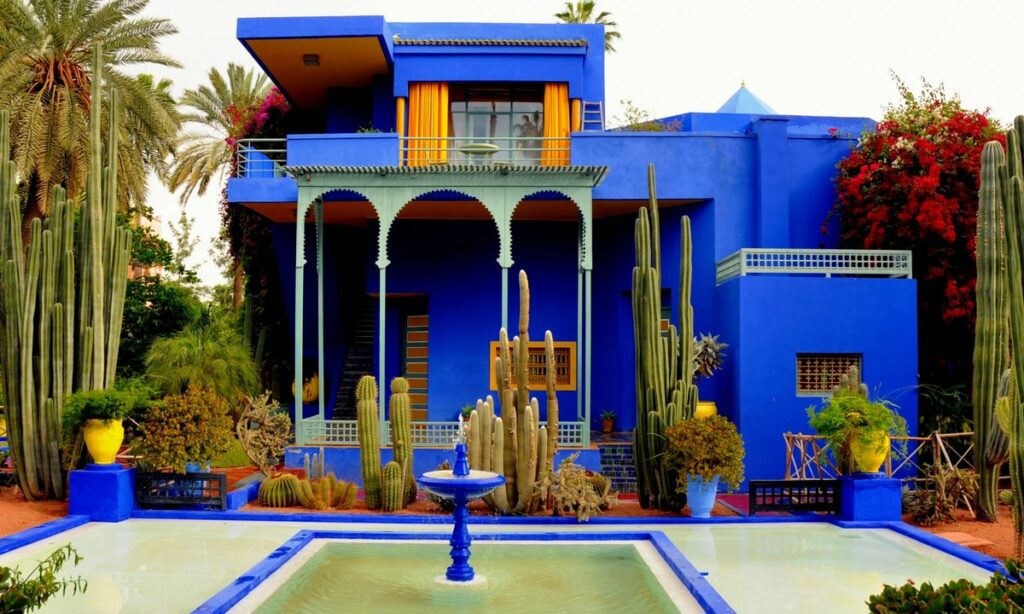
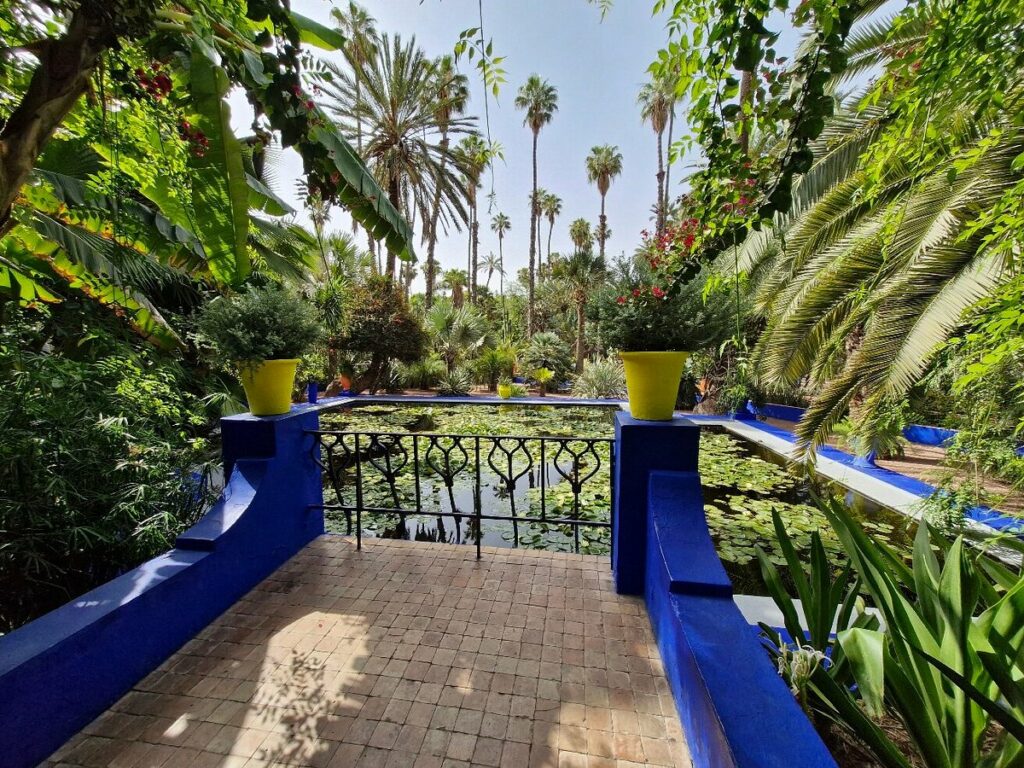
Relaxation: The Majorelle Garden, once owned by Yves Saint Laurent, is an oasis of calm.
The Medina: Lose yourself in the souks to find handcrafted souvenirs and team jerseys.
5. Agadir: Football in the Sun
For fans looking to escape the winter chill, Agadir offers a “Coastal Paradise” experience. While other cities might be cooler in December, Agadir remains pleasantly warm.
The Venue: Adrar Stadium
The Adrar Stadium (45,000 seats) is located on the outskirts of the city and will host key group-stage matches involving Egypt and South Africa.
Beachside Living
The Promenade: A 10km long sandy beach perfect for morning jogs or post-match celebrations.
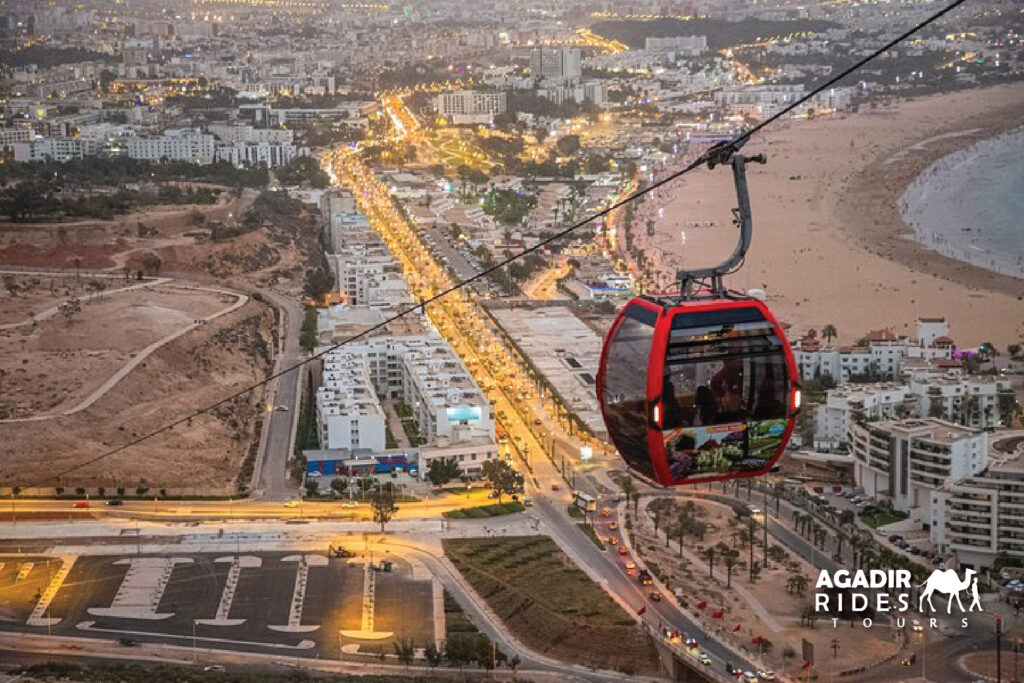
The View: Take the Agadir Cable Car up to the Oufella Kasbah for a panoramic view of the entire bay.
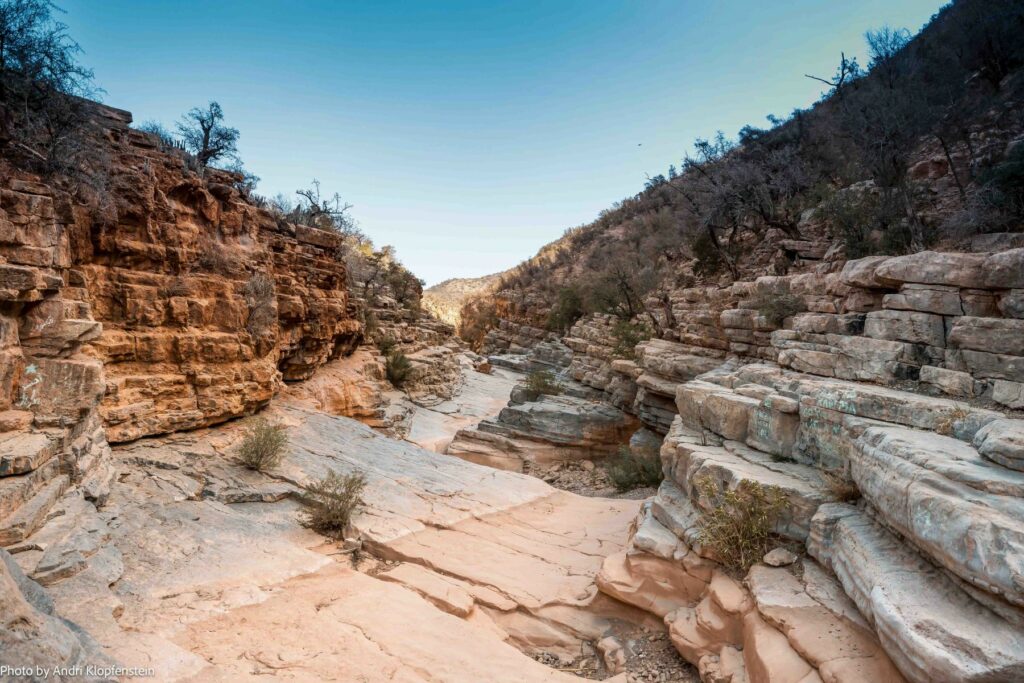
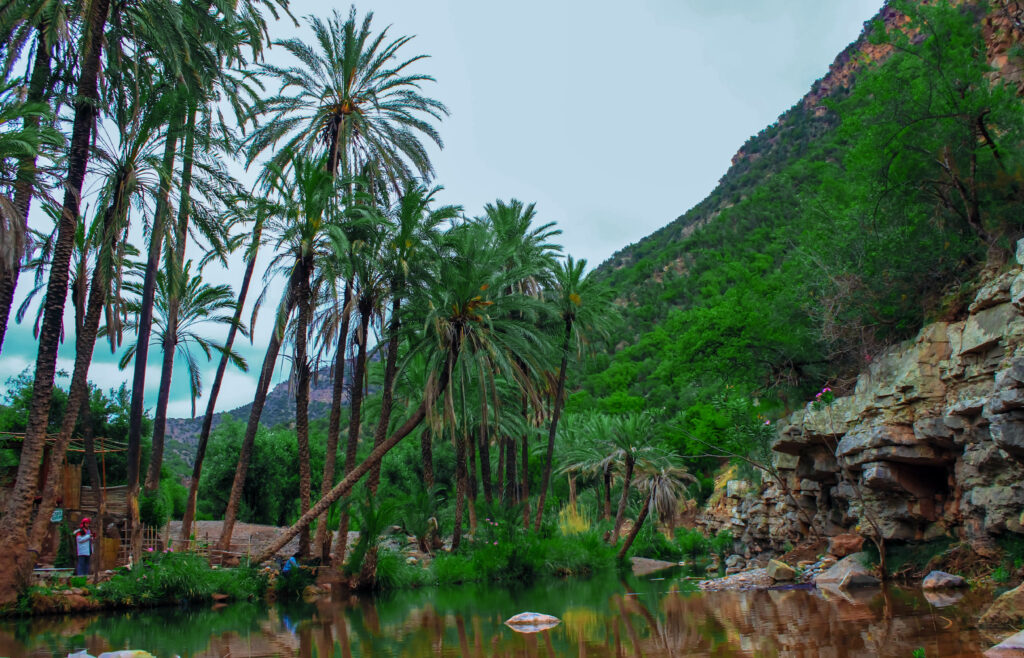
Day Trip: If there is a break in the schedule, visit Paradise Valley for its natural rock pools and palm groves.
6. Fez: The Cultural & Spiritual Soul
Fez is home to the world’s oldest continuously operating university and a medina that is a UNESCO World Heritage site. If you want to experience the “authentic” Morocco, this is your city.
The Venue: Fez Stadium
The Complexe Sportif de Fès (45,000 seats) will be the home for Group C, hosting nations like Nigeria and Tunisia.
Cultural Immersion
The Medina:Fes el Bali is a car-free labyrinth of over 9,000 alleys.
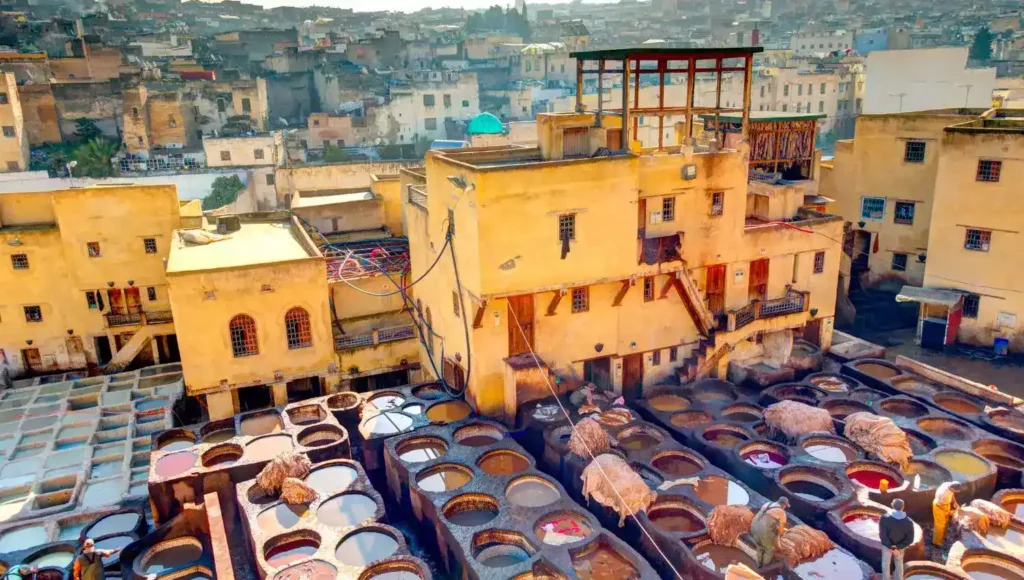
Craftsmanship: Visit the Chouara Tannery to see traditional leather dyeing that has remained unchanged for centuries.
Food: Try a “Pastilla” (a savory-sweet pie), a local specialty that is a must-eat for any visitor.
Essential AFCON 2025 Morocco Travel Tips
1. Transportation: The Rail Advantage
Morocco’s national rail operator, ONCF, is the best way to move between northern cities. The Al Boraq high-speed train connects Tangier, Rabat, and Casablanca. For Agadir, you will need to rely on modern coach buses like CTM or domestic flights via [suspicious link removed].
2. Connectivity
Avoid high roaming charges by purchasing a local SIM or an eSIM.
Local Providers: Maroc Telecom, Orange, and Inwi.
Pro Tip: Look for travel eSIM providers like Roafly or Airalo for instant data upon landing.
3. Entry Requirements
While many countries are visa-exempt for 90 days, some African nations require an Electronic Travel Authorization (AEVM). Always check the official Moroccan Ministry of Foreign Affairs website for the latest visa regulations.
4. Accommodation
With over a million visitors expected, hotels and traditional Riads (guesthouses) will fill up fast.
Rabat/Casablanca: Best for business-style hotels and proximity to stadiums.
Marrakech/Fez: Best for an authentic Riad experience in the old city.
Conclusion: A Tournament Like No Other
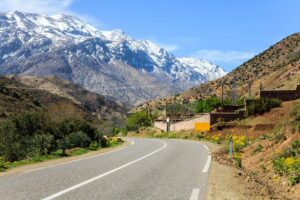
AFCON 2025 in Morocco is more than just a football tournament; it is a celebration of African excellence set against the backdrop of one of the world’s most beautiful countries. From the roar of the crowd in Tangier to the sunset over the Atlas Mountains in Marrakech, your trip will be defined by the memories you make both inside and outside the stadium.
Ready to start your journey? Ensure you book your tickets early through the official CAF website and prepare for an unforgettable Moroccan adventure.