Are you dreaming of a unique winter escape? Look no further than the breathtaking Dades Gorges Morocco in January. This stunning natural wonder, also known as Gorge du Dades Morocco or part of the scenic Dadès Valley, transforms into a magical landscape during the cooler months. With crisp air, possible snow-dusted peaks, and fewer crowds, January offers the perfect time to discover one of the most dramatic gorges in Morocco. Imagine winding roads carving through red rock canyons, ancient kasbahs perched on cliffs, and serene valleys waiting just for you.
In this definitive 2025 guide, we dive deep into the Dades Gorges Morocco weather in January, the adrenaline-pumping reality of driving the “world’s most dangerous road,” and expert tips for cultural immersion. Whether you are an avid hiker, a professional photographer, or a culture enthusiast, the gorges in Morocco—and Dades in particular—deliver pure enchantment during the winter season.
Navigating the “World’s Most Dangerous Road” (R704)
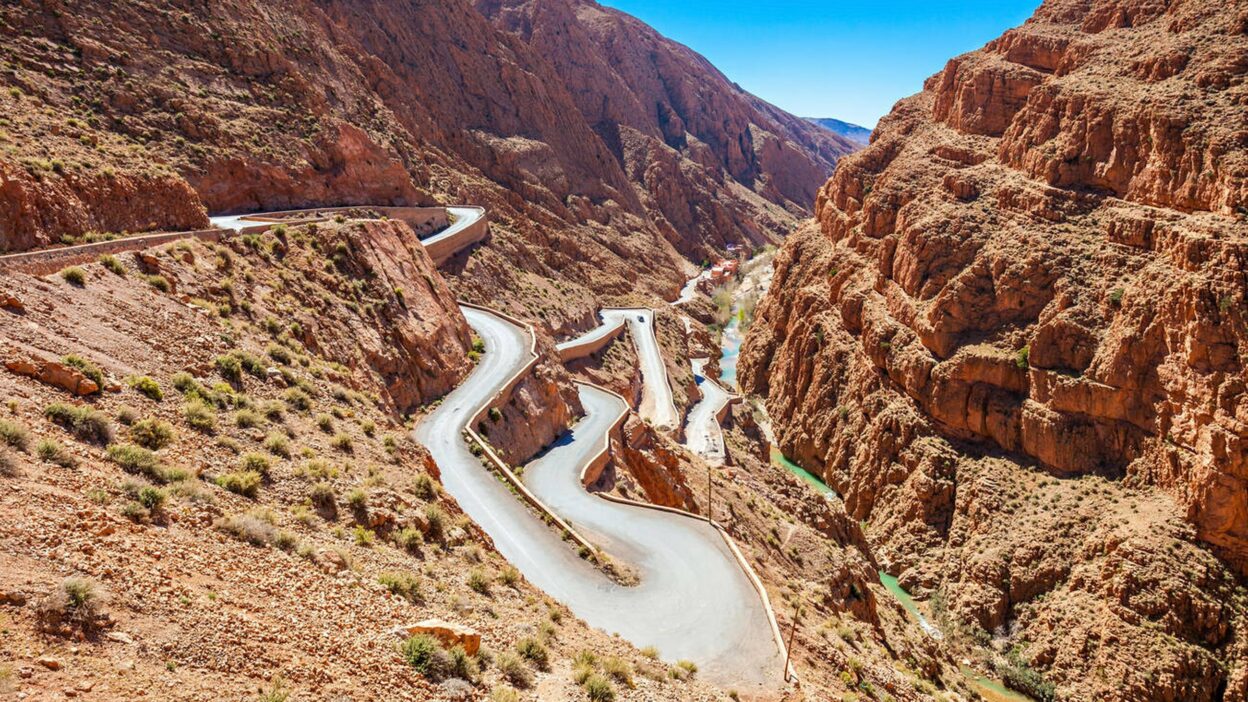
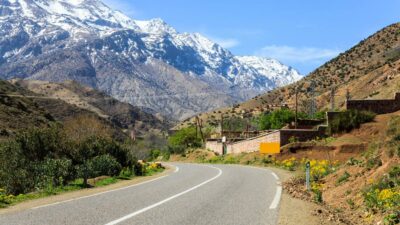
For many travelers, the primary draw to the Dadès Valley is the R704 road, specifically the section known as the Tisdrine Curves. Often cited on global lists as one of the “most dangerous roads in the world,” this series of hair-raising switchbacks is a masterpiece of engineering set against a backdrop of sheer limestone cliffs.
Is it Actually Dangerous in 2025?
While titled “dangerous” to attract thrill-seekers, the road is actually well-paved and manageable for cautious drivers. However, January presents unique challenges. The lack of guardrails and the steep 200-meter drops require total focus. In the winter, the primary “danger” comes from black ice. Because the gorge walls are so high, certain sections of the road remain in the shade all day, allowing frost to linger on the asphalt long after sunrise.
Traveler Safety Tip: Driving the High Atlas in winter requires more than just a steady hand. Due to the remote location and the narrow, winding nature of the gorge roads, we strongly recommend securing comprehensive travel protection. For reliable coverage that includes medical emergencies and trip interruptions in Morocco, we trust VisitorsCoverage to give you peace of mind while exploring the “most dangerous road.”
Dades Gorges Morocco Weather in January: A Deep Dive
Many travelers assume Morocco is a year-round desert heatwave. This is a common misconception. The Dadès Valley is located in the High Atlas region, meaning it experiences a true mountain winter. In January, you will experience the “Three Seasons in One Day” phenomenon: early spring in the sun, autumn in the shade, and deep winter at night.
The dry, high-altitude air of the High Atlas means that visibility is at its absolute peak in January.
Daytime Highs: 13°C (55°F). Warm enough for a light sweater while the sun is out.
Nighttime Lows: -2°C to 4°C (28°F – 39°F). You will need a heavy down jacket once the sun dips behind the cliffs.
Sunshine: Expect 7 to 8 hours of powerful direct sunlight. Even in winter, the UV index is high.
The Geology of the “Monkey Fingers” (Pattes de Singe)
One of the most unique geological features of the Gorge du Dades Morocco is the rock formation known as the Monkey Fingers. Unlike the vertical limestone walls of the nearby Todra Gorge, these are conglomerate rocks—smooth, rounded, and looking almost like they have been melted and frozen in time.
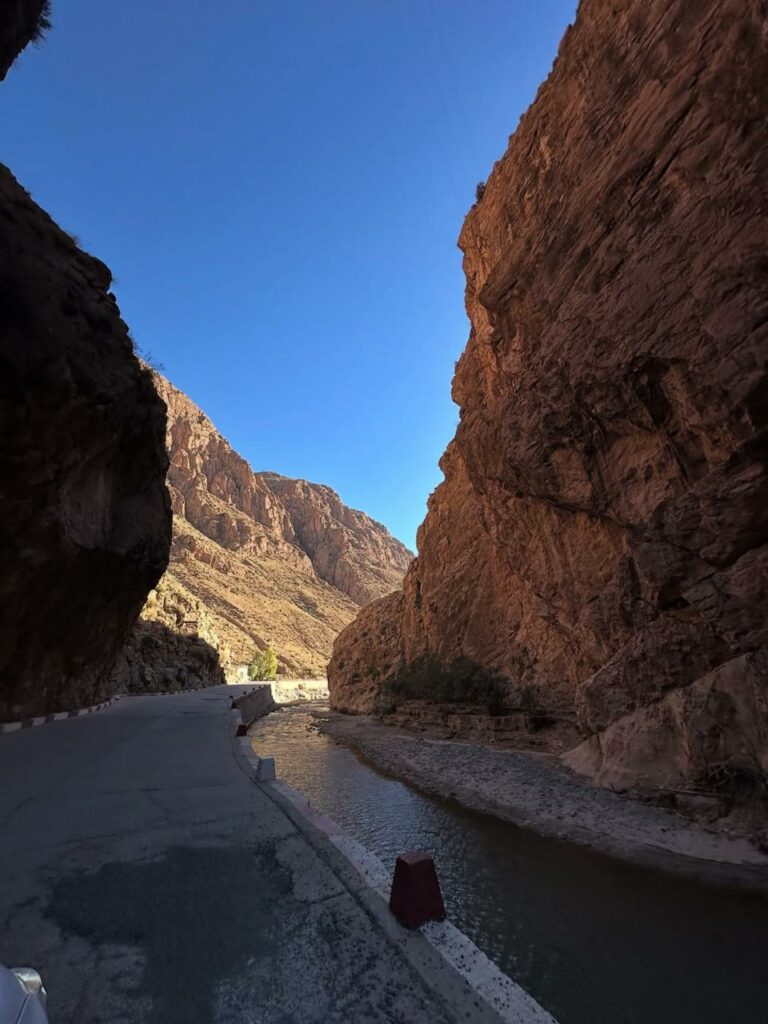
The towering walls of the Dades Gorges in January.
Hiking the Hidden Slot Canyons
January is the ideal season for hiking the Monkey Fingers loop. Unlike the summer, when the heat inside the canyon can be stifling, the winter air makes the 3-hour trek refreshing. You’ll walk through narrow slot canyons that resemble the famous formations of the American Southwest, but with the added charm of ancient Berber irrigation channels (Khettaras) running alongside your path. Be sure to hire a local guide in the village of Ait Oudinar to find the hidden entrance to the narrowest slots.
History of the “Road of a Thousand Kasbahs”
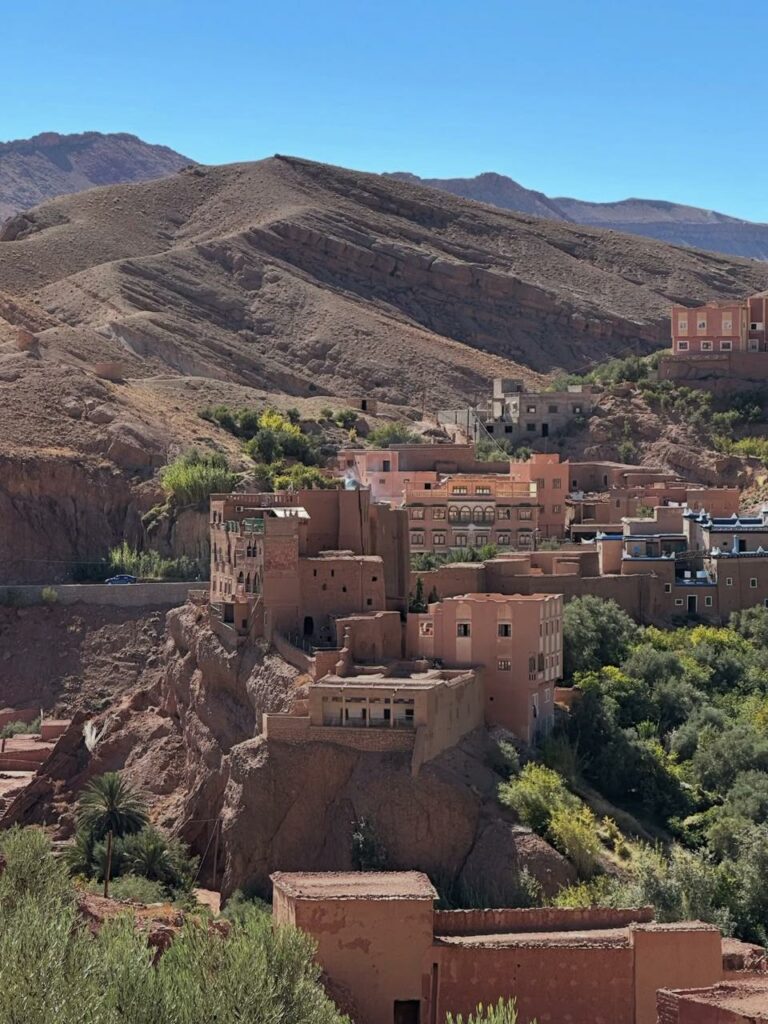
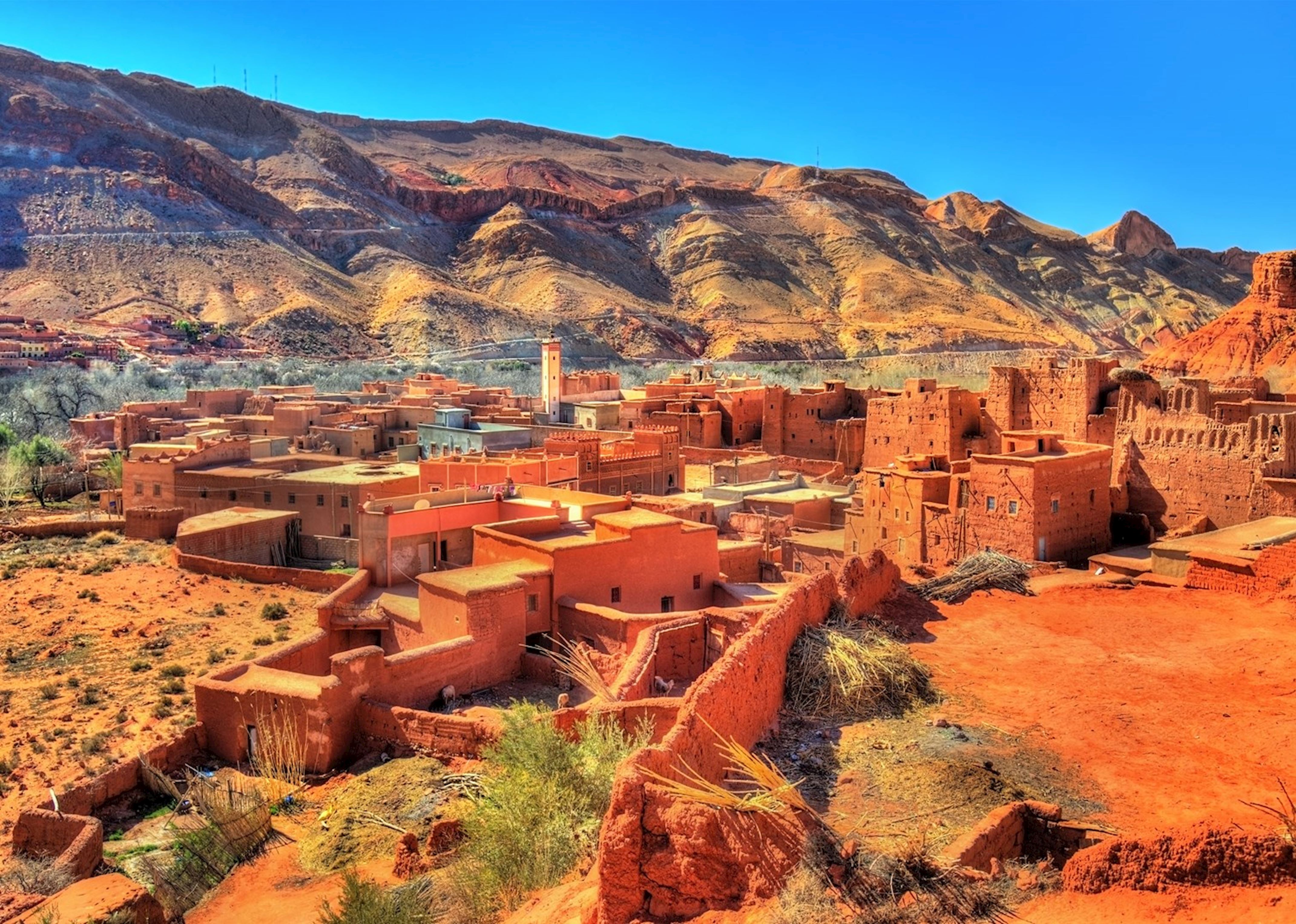
The Dadès Valley is a critical segment of the historic caravan route that once connected Timbuktu to Marrakech. The “Thousand Kasbahs” were not merely decorative; they were fortified granaries and defensive homes for the local Berber tribes. In January, the red clay of these ancient fortresses contrasts vividly against the dormant valley floor, creating a hauntingly beautiful scene for photographers.
Cultural Immersion: Berber Winter Traditions
Visiting the Dades Gorges in the winter offers a peek into a lifestyle that has remained unchanged for centuries. The local population is predominantly Amazigh (Berber), and their resilience in the face of harsh mountain winters is legendary. January is the season for “warming” traditions—expect to gather around wood-burning stoves in family-run guesthouses and sip **Sheeba Tea**, a bitter version of mint tea made with wormwood believed to provide better insulation for the body.
Where to Stay: For the ultimate culinary experience, book a room at Chez Pierre. For luxury with a view, Hotel Xaluca Dades offers heated rooms and a spa, which are essential for January nights.
Driving Logistics: Ensure you fill up on fuel in Boumalne Dades. There are no reliable petrol stations once you enter the heart of the gorge.
Photography: The “Golden Hour” in the gorge occurs earlier in winter (around 3:30 PM) due to the high canyon walls. Be in position by 3:00 PM for the best lighting on the serpentines.
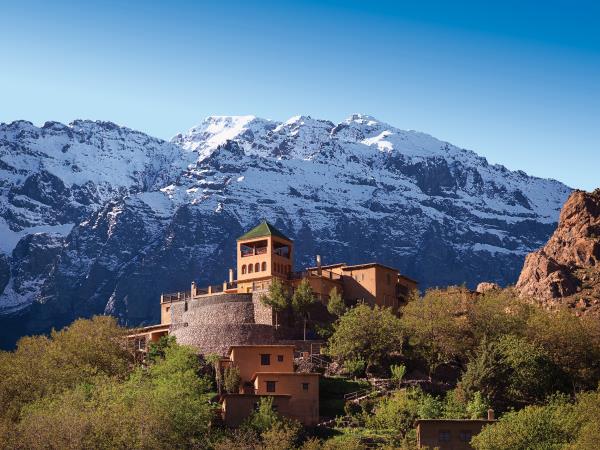
Visit The Dades Valley on a trip to Morocco | Audley Travel UK
Conclusion: Is the Dades Gorges the Best Winter Destination?
Absolutely. The Dades Gorges Morocco in January is a journey into the rugged, authentic heart of the country. By choosing to visit in the low season, you are rewarded with intimate cultural encounters, “dangerous” roads all to yourself, and the raw, unpolished beauty of the Dadès Valley. Pack your sense of adventure—the hairpins are waiting.
Yes, the main R704 road is paved and safe. However, you must be wary of morning frost and black ice on the serpentine bends. We recommend driving between 11 AM and 3 PM for the best conditions.
Does it snow in the Dades Gorges?
While heavy snow is rare on the valley floor, the surrounding peaks of the High Atlas are almost always snow-covered in January. This provides a beautiful white backdrop to the red iron-oxide canyons.
What are the “Monkey Fingers”?
The “Monkey Fingers” (Les Pattes de Singes) are a unique geological formation near the village of Tamlalt. They are rounded, vertical conglomerate rocks that resemble giant hands or fingers emerging from the ground.
How much time should I spend in the Dadès Valley?
We recommend staying at least 2 days (one night). This gives you enough time to drive the serpentine road, complete the Monkey Fingers hike, and enjoy a traditional Berber dinner at a local Kasbah.